When I switched my ancient old bluetooth earphones off, Claude couldn’t hear me, so they have an inbuilt microphone. Didn’t know that.
1 Like
So far I’ve tried it out on a couple of greatly differing possibilities and both times was very disappointed - the vis art one was way off beam (insufficiently precise programming?) and the second, writing a 15 minute presentation on the history of Conques seemed to have been skimmed off just a couple of web-sites and was frankly mediocre.
I’d like to try the first one again, fusing Raphael’s portrait of his mistress, La Fornarina, with Ingres’ and Picasso’s portrayals of her. However, I suspect I could get ‘better’ results with selective use of morphing than with AI
We use AI to search/research in silico quite a bit, but it also pushes us to look for the mistakes or flaws in the (often quite copious) data presented. We also always require references to support any findings, allowing checking/confirmation manually. In a way it’s just a better search engine rather than relying on intelligence to direct our work. We use Copilot because it’s supposed to be ringfenced in terms of exfiltration of company data, and so far it’s been very helpful finding protein sequences and the structure of biomolecules that we can use to build better tools and products.
But your humanities profs should be scared:
It worries me when I see people using it to write things that they would present as their own.
1 Like
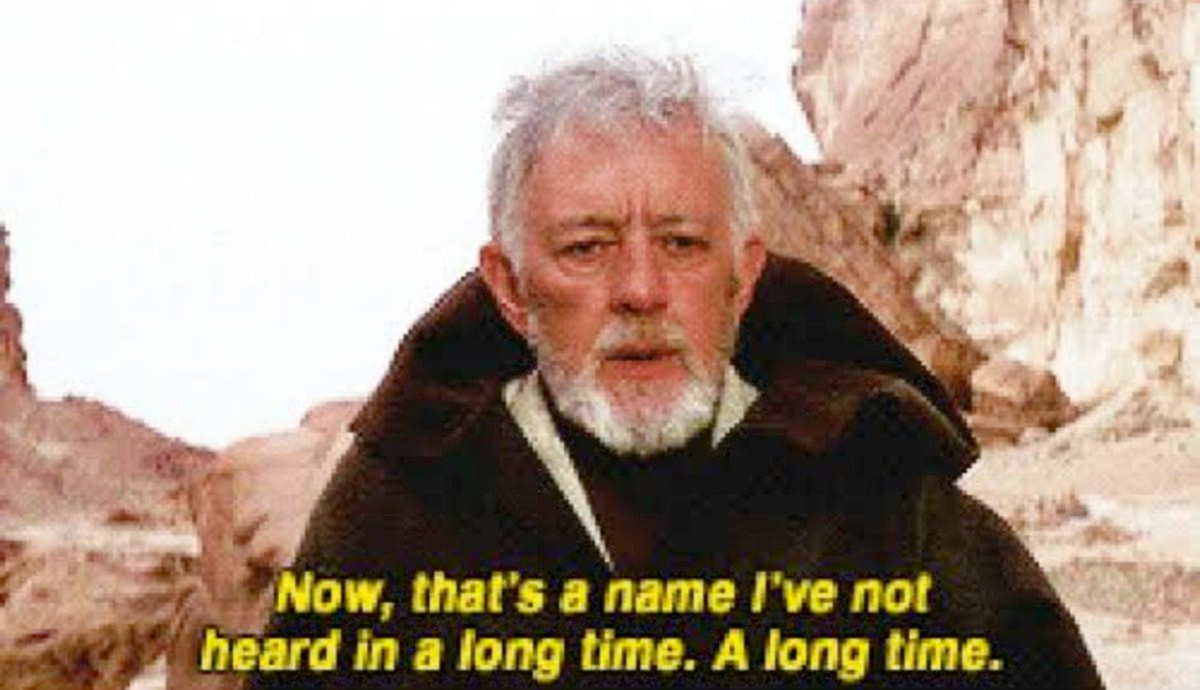
It’s a fairly well-known quote (and now meme) from Star Wars (A New Hope) - when Luke Skywalker meets Obi-Wan Kenobi for the first time:
1 Like
Thanks - I know it well but never made the connection.
That’s S/W 