I saw people doing as little as possible to maximise returns on their houses. I grew up in a timber frame longhouse in lower Saxony, half house, half threshing barn. It was built by craftsmen with passion and wisdom and care. The house is to this day a living thing. Sadly much altered in the last 20 years, but hauses have to adapt or they get knocked down. They must serve their purpose. As defined by the occupants at the time. So although it makes me sad I likewise wouldn’t want to live in the original version of the house I’m in. That’d be one room with a dirt floor and no electricity or water. Not quite my idea of a retirement home. The UK has to my mind a problem with very large amounts of rather poor quality housing stock. Witness many cottage rows in Wales. But boy, someone got jolly rich on the back of the poor there. That’s a bit of a red thread throughout the country and is a result of a very fast changing country during a very rapid industrial revolution. In an ideal world it would have been Port Sunlight all the way, but with pubs. But it wasn’t. So I watched councils destroying a lot of potentially good quality housing (if some investment was made)in the 80s and 90s, for them to be replaced with undersized bunny hutches not fit for growing families of equally questionable quality. The entire housing sector in the UK is not seen in the context of roots, identity, home and the rest. And that deprives people of an experience in life that many in other countries are not even aware of having. Let’s not go into the flaws in housing policy here, for there are many, as in my country, but let us stay with the UK. House prices are a constant source of preoccupation, since for too many it’s their only opportunity to create wealth. At the expense of their children and their children. And that’s why I don’t care whether or not we create added value. The house was 4 walls and a collapsed roof 25 years ago, the locals thought we were out in the Noonday sun too long. Without us it would only be rubble now. Like so many others belonging to the vendor, a major local landowner with no respect for his obligations to heritage, natin, local identity… I could go on.
Here’s the insurance industry…
https://alliedworldinsurance.com/risk-management/electric-vehicle-fires-a-cause-for-concern/
Researchers from Auto Insurance EZ compiled data from the Bureau of Transportation Statistics and the National Transportation Safety Board which found that hybrid vehicles had the most fires per 100,000 sales at 3474.5, followed by 1529.9 fires per 100k for ICE vehicles and just 25.1 fires per 100k sales for EVs.
I’d get that in writing.
sorry not to respond earlier. Things have been a bit hectic. I am currently in our terraced cottage in Wales  so one of those rows you refer to, trying to get all the little things finished before we let.
Morning! Not in St. Fagans or Merthyr, are you?  Or any one of those where you open the front door to step out the back. Forchamman Road,Abercynon…
No, up the hill in Pontypridd. We have a small garden front and back, so not directly on the street, but that issue can and will be overcome by increased low traffic neighbourhoods etc. Nor built in the first phase of mining, because this row of houses are on a challenging rocky slope, so when demand increased developers tackled the slope around 1900, and steeply terraced in 3 more rows. We look over the roof of the terrace below from our ground floor to views of the green hills and valley beyond (and the rugby ground).
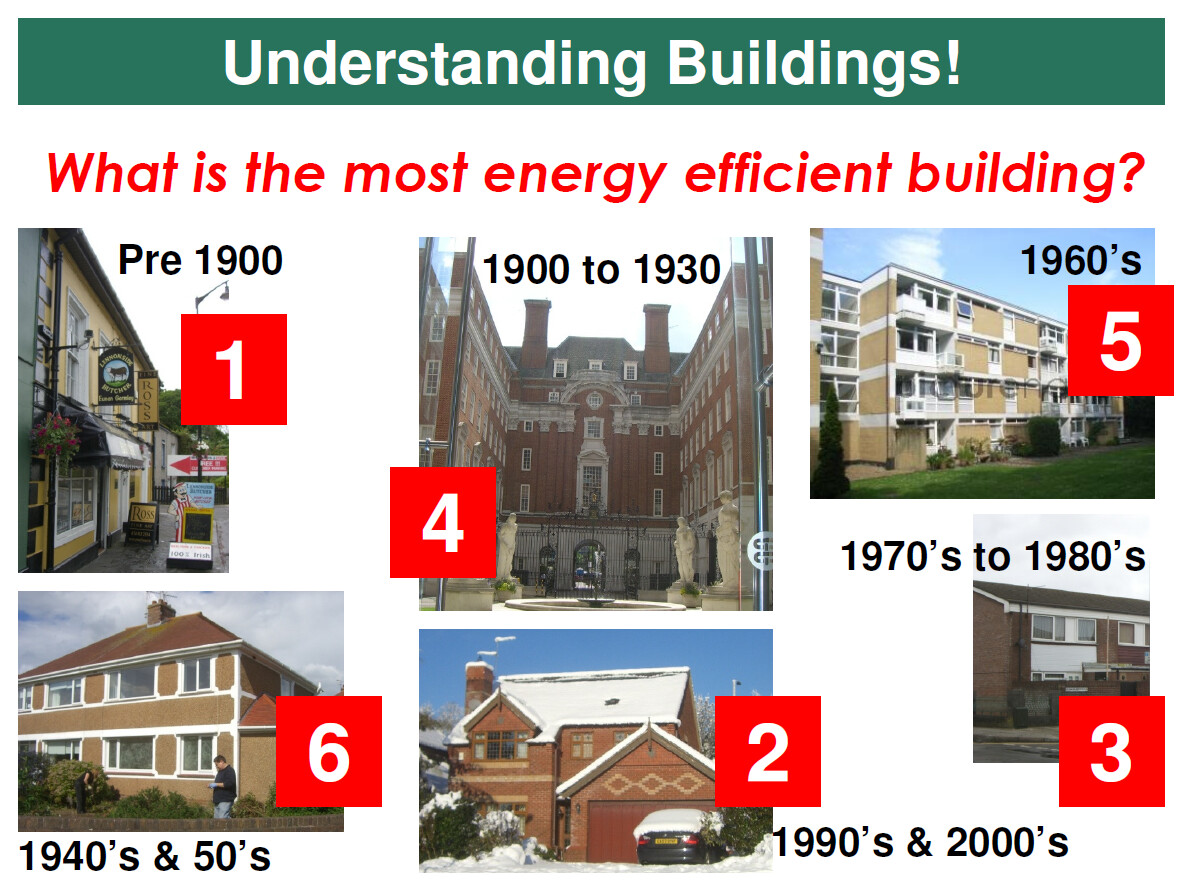
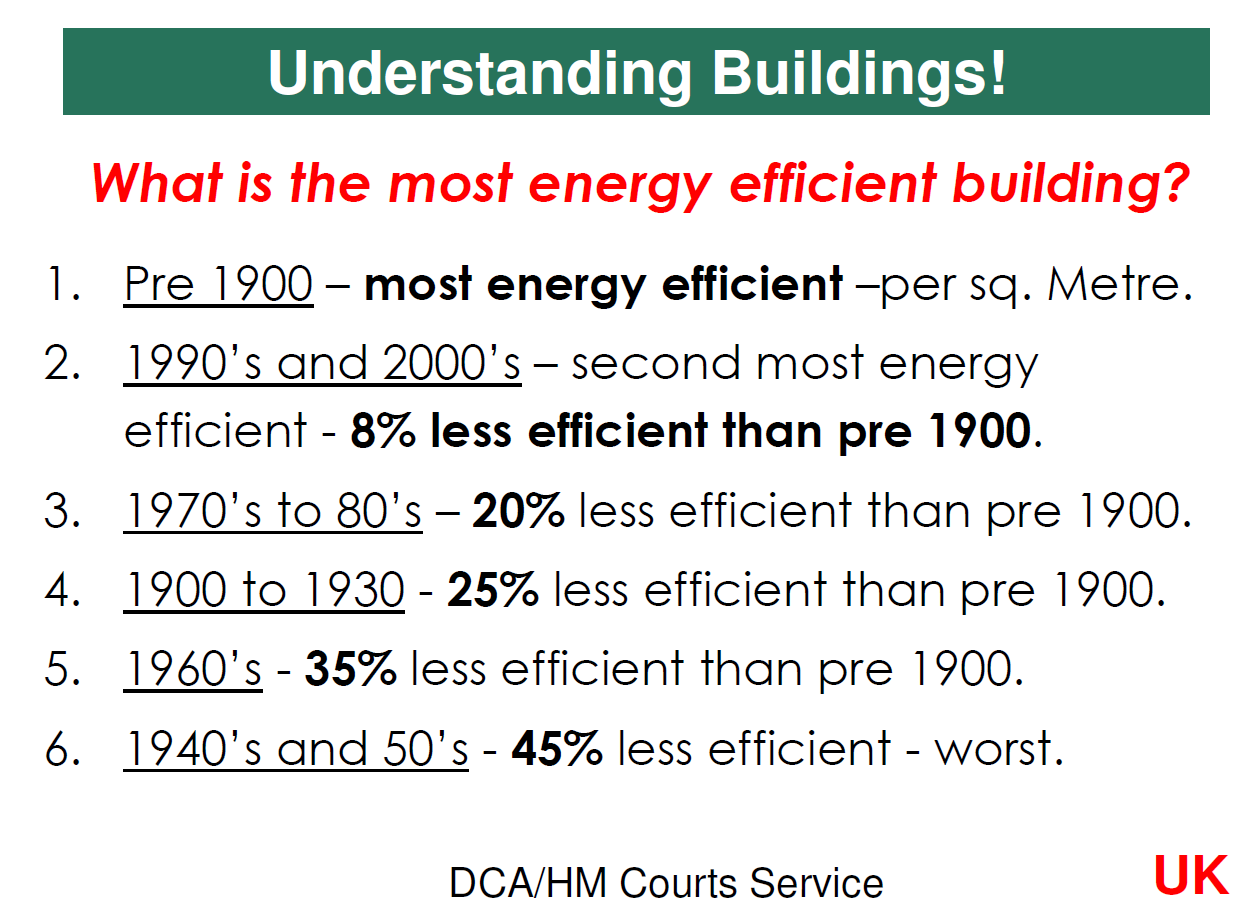
I led (and did much of) the study on heritage cottage for CADW that their then technical director presented about 5 years ago (available to view at Slide 1 (wtbf.co.uk) ) John Edwards (now professor) has been arguing for a long time that “heritage” buildings in the UK will work well if they are appropriately maintained. (Note the energy efficiency in the images below. Some very recent housing in the UK is more energy efficient, but much built to codes now overheats in summer.)
34% of Welsh buildings are pre-1919, which creates a unique character and countryside at risk of loss due to poor workmanship and neglect. (That compares with 22% in England, similar in Scotland, and 10% in Eire). That and the following two images from one of his presentations were published in 2012, no longer available.
Morning! Very interesting bit, I shall have a good perusal this week. Bound to have a rainy day…