We fitted two of these with the built in macerator and OH built the paneling behind with a shelf, easily removed if any problems occur.
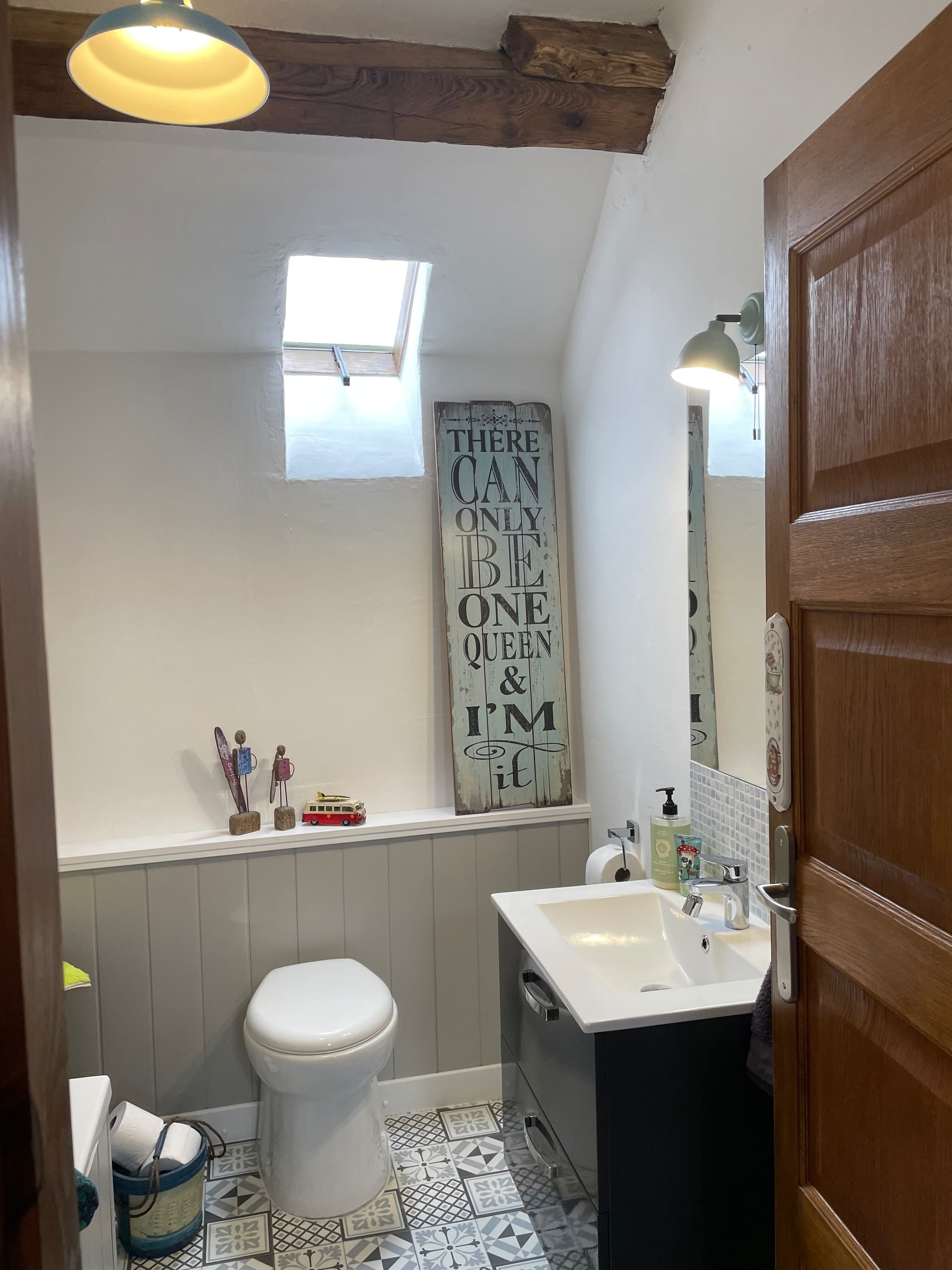

1 Like
My plumber affectionately called these devices jobby chompers.
In my former building life I specialised in disability adaptations and fitted many of these along with many amazing pieces of kit.
Like most things in life buy the market leader like Saniflo and avoid cheap ‘crap’ copies.
1 Like
Exactly how it happened when we visited the underground toilets in East Berlin’s Alexanderplatz long before the wall came down.
The attendant took the money and issued a receipt and toilet paper. When a compartment become free she wiped the seat took the receipt, tore it into pieces and threw it in the toilet.
We were camping by the lake and each morning a British Army cherry-picker arrived and parked beside our tent. The crew set up the cradle so they could see over the wall to observe the East Germans doing exactly the same two hundred metres away across the finely raked sand.
Hi, Some possible suggestions, you can hide the macerator behind the wall as in a previous photo or as in the Saniflo Sanipack photo below, use a wall mounted loo and fit the macerator to the side, perhaps behind a under sink unit for easy access and a certain amount of sound proofing.
Remember to pump into as large an evacuation pipe as possible, as soon as possible, go straight to 32, 40 or 50mm. You needn’t pump up if you have sufficient fall to the soil pipe.
I’d recommend Saniflo, their products are very reliable, I fitted many bathrooms in the UK and I always used the Saniflo registered service agents as listed on their website for any client problems.Hopefully they have a similar system here.
If you have limescale problems you will need to follow the recommended descaling regime but it’s very simple, remember to switch off the motor so the descaler sits in the device for the recommended time.

We have a macerator toilet as we needed a second toilet and couldn’t put a hole through the floor due to underfloor heating. We’ve had it six years now and it’s still working fine. A few points I’ve learned having the macerator are
- It doesn’t matter how careful you are, there will always be very small bits of stuff that finds it’s way down the toilet that can cause an issue. Unjamming and cleaning it out isn’t pleasant but occasionally necessary.
- The pipework on the outlet has to be done very carefully and has to be very robust as the pressure created by the macerator is quite high. I had to reinforce the joint coming straight out of the macerator using butyl sealing tape because of a very small leak.
- Don’t forget the non return valve on the outlet, especially if you’re pumping upwards.
- You should clean it regularly (we do it evert 3 months) with a phosphoric acid based cleaner such as Sanibroyeur Detartrant. Don’t use chlorine based products.
Forgot the most important …
- If you’re using an existing sink outlet, make sure it’s plumbed in the right way or you’ll make quite a mess
 . We had someone come over to quote for installing it and when I asked him about the plumbing, he said he would just connect the macerator output to the sink plumbing using a T. Talk about a shower of sh**. I did it myself in the end.
 . Absolutely do not use “push fit “ plumbing with a macerator
1 Like
Thanks, hairbearm, all useful tips and advice. I’ve found an experienced plumber who says he’s fitted them before, and has one himself. The waste comes after the handbasin, into the hole in the floor where the current shower tray is located, so hopefully there won’t be any “blow-back” problems.
That waste for the shower is probably the same size sinks showers should be on 30/40/50 mm pipe the older French plumbers would use 30 mm I prefer 40/50 mm as for the toilet just make sure there’s good access for repairs they work fine if you look after them and understand why people have them myself if it’s possible to get a 100mm pipe in I would prefer to do that all day long but sometimes that just not possible especially in the French houses as they can often be on different levels
Forgot to say if possible you should have the toilet on its own line just be careful that there’s not a T junction that goes to you sink as it is possible with the pressure from one of those toilets could push waste up the sink and when you buy one make sure to tell the the distance in meters to you foss or Maine drain if you’re lucky enough to be on good luck
There are proper spec’s for plumbing sizing depending on the item being plumbed, a small sink wouldn’t use the same size as a shower due to flow rate. I can’t quote sizes as it was a long time ago I did mine but usually they end up connecting to an 80mm from memory obviously the 100, 105, 110mm is usually dedicated for toilet waste. The multiple input macerators usually have different chambers to avoid mixing but using the same pump on the output? Been a while so cannot remember.
Macerators usually have one or more secondary inputs going to the same chamber, but have non return valves on the inputs so that waste can’t be back fed. You have to connect any outputs such as sinks or showers, via a p-trap to one of these inputs, and the output of the macerator via an external non return valve to the waste pipe. Under no circumstances should anything other than the macerator waste output be connected to the waste pipe.
1 Like
Great as I remember them. 