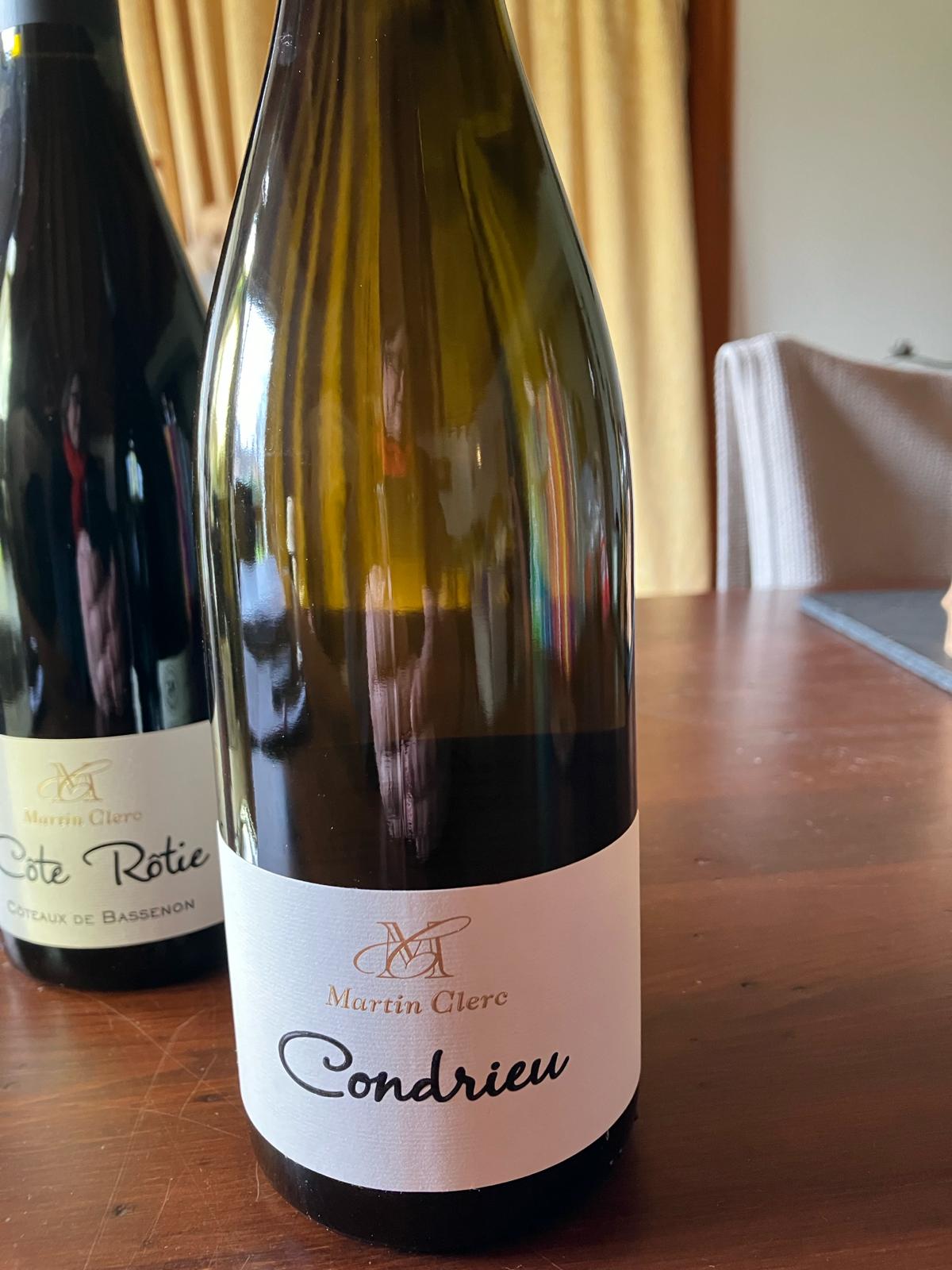
Bringing it back to wine, we recently had a bottle of Cote Rôtie and a bottle of Condrieu… Both were stunning  Not cheap but we bought them directly from the vigneron at an exhibition so it was a bit cheaper.
3 Likes
I can well understand how hifi crept into an alcohol thread  I have experimented with 79 strand, I have asked my local proper hifi shop for a £20 max recommendation. They caim up with Naim nait impossibly strong cable to the sub and QED Qudos from the sub to the satellites on this setup. The base was fuller and deeper and the high’s were cleaner and more sustained and thus on a low budget the journey began and that was back in 1986.
The QED silver aniversary I currently use are barely any different to my ears than their slightly cheaper sibling QED 25th aniversary cables. Of course if you cannot perceive a difference dont waste your time and money. The rule of dimminishing returns trumps. Interconnects on the other hand I have never heard a difference between cheap and expensive ever. Speaker positions make a far bigger difference and so do room acoustics.
Agreed. Decent speaker cable is more about a reliable connection IMHO than an obvious big jump in sound quality.
I got some 3-metre KK Cable (Chinese-made) biwire cables for my Q Acoustics Concept 30s off Amazon - they were just under fifty quid a pair which was as much as I was prepared to pay.
No, but again for me it’s about getting a solid reliable connection - cheapo interconnects have some pretty nasty RCA connectors that corrode easily.
Agreed again.
But as with many hobbies part of it is the fun of buying little accessories to pimp your setup.  Having a pricey hifi system that’s strung together with weedy table-lamp flex just doesn’t feel right somehow. Although I would not advocate going to the lengths (pun intended) of some of those ultra pricey high-end cables that look as if they came off a suspension bridge.
I see you get free postage with your £46,700 speaker cable
Kind of them isn’t it. Makes me want to buy two.
3 Likes
Order them on Amazon, try them then send them back within 30 days for a refund 
2 Likes
AIUI the key thing with cables is capacitance, potentially attenuating highs. There is considerable interest in this within the guitar world where we look for the mythical ultimate tone cable. Possibly one of the reasons why Hendrix had such amazing fat guitar tone was the curly cable he used bleeding away a lot of the high end from his guitar.
As with wine tasting, it’s really important to tone-taste without your eyes being involved.
And in a possibly futile attempt to avert total thread drift, I pose the question do you match your wine to your listening, or vice versa, or (probably) neither.
But it’s an interesting idea…
Newcastle Brown Ale for 1960’s student union gigs LPs?
2 Likes
Yes all testing should be blindfold, preferably with someone else switching cables/amps etc
2 Likes
Interesting idea.
Gewürztraminer for Wagner perhaps? Australian Chardonnay for Kylie Minogue?
1 Like
Well, yes, stray capacitance can be a big problem in audio design. Basically any two wires form a capacitor and in the wrong circumstances that can cause crosstalk or oscillation (the latter, even if inaudible, can manifest as distortion) and given the merest chance a low or high pass filter will appear.
A speaker cable is not the wrong place though. Amplifier outputs should have snubber networks to suppress oscillation and the RC values in these will generally swamp those in the cable.
QED 79 strand has a resistance of 0.016Ω per metre and a capacitance of 58pF per metre. That means that although a length of cable will act as a low pass filter and reduce high frequencies 10m of cable has a -3dB point of 1.7GHz - dunno about you but I can’t hear frequencies that high.
I’m not sure guitar cables are quite that classy.
1 Like
Stray capacitance is much more of an issue on the input side of the equation. Cables, especially on stage can be very long and the capacitance per metre usually higher because the conductors are closer. Also the characteristics of the input source (basically high impedance) make the effect of any given capacitance more pronounced.
1 Like
It is said by those wiser than I that a significant part of Jimi Hendrix’s guitar tone came from the cheap curly guitar cable that he used to connect his Strat to the amp.
1 Like
Thanks for corroborating my story. 
Great minds read the same internet sources. 
1 Like
Certainly by those wanting to sell you an overpriced “Voodoo Child” coiled guitar cable
How much was due to the cable was debatable, certainly coiled cables tend to have quite high capacitance though you would need to know the exact value plus the pickup impedance and amp input resistance/capacitance to calculate the roll off, however AIUI coiled cables feel out of favour because many guitarist thought they produced an audibly inferior sound.
Also because the bloody things tangle themselves into impenetrable knots!
1 Like
Quite. I’m forever untangling phone handset leads at work because I really hate it when one lifts the handset and the phone follows.
Curly (and other) types of cable went out of favour in the late 90s and early-mid 2000s, driven at least partly by the sound of CD audio with a full range reproduction and crystalline highs suddenly being heard. The thought was that there was a loss of clarity and openness, and players wanted all that tone back. Amp design had changed too, and a wider, less focused range was popular.
What most didn’t realise is that a guitar’s electronics is designed to manage the output frequencies, reducing the icepick and keeping things fatter and sweeter. Changing volume and tone pots, putting in a treble bleed circuit, all kinds of stuff will let the highs through, and the cable is only a small part. A strat with 1 megaohm tone and volume pots can be really nasty.
Most of these issues can be solved with the right amp and speaker combo, but that takes time.
1 Like
You need that twirly connector then?