I like the fact that it is RF. I don’t really know what her range is though.
She seems to be fine where we live now, but looks like we’ll soon be moving and I don’t know how that is going to play out with her. It’s in a much more rural location (slightly north of Chars in the Val dÓise) .
In my experience younger cats range far but the older they get the nearer they are to home. Once I travelled around in my car with my long range US radio tracker searching for a signal, got a signal, and was led eventually to a huge hedge down the side of a field beside a chateau, and there she was, deep in the hedge! She was 1 year old and a good kilometre away. My remaining older 3 cats stay close to home now.
One idea for far-ranging cats could be to use a gps device to locate the proximity, then use a RF tracker to locate precisely. But gps won’t pickup in woods/forests. About 30 years ago one of my cats was lost and turned up 2 weeks later as a bag of bones - locked up I’m sure in a garage during the French holiday season. That was the reason I started using an RF cat tracker.
Rather expensive. I suspect that the place I’m moving to is going to be tough on GPS. When I go for the etat des lieux in a couple of weeks I’ll think hard about what might work.
I’m leaning towards this RF one (Girafus) , which is said to have a better range than the Tabcat that Bonzocat recommended.
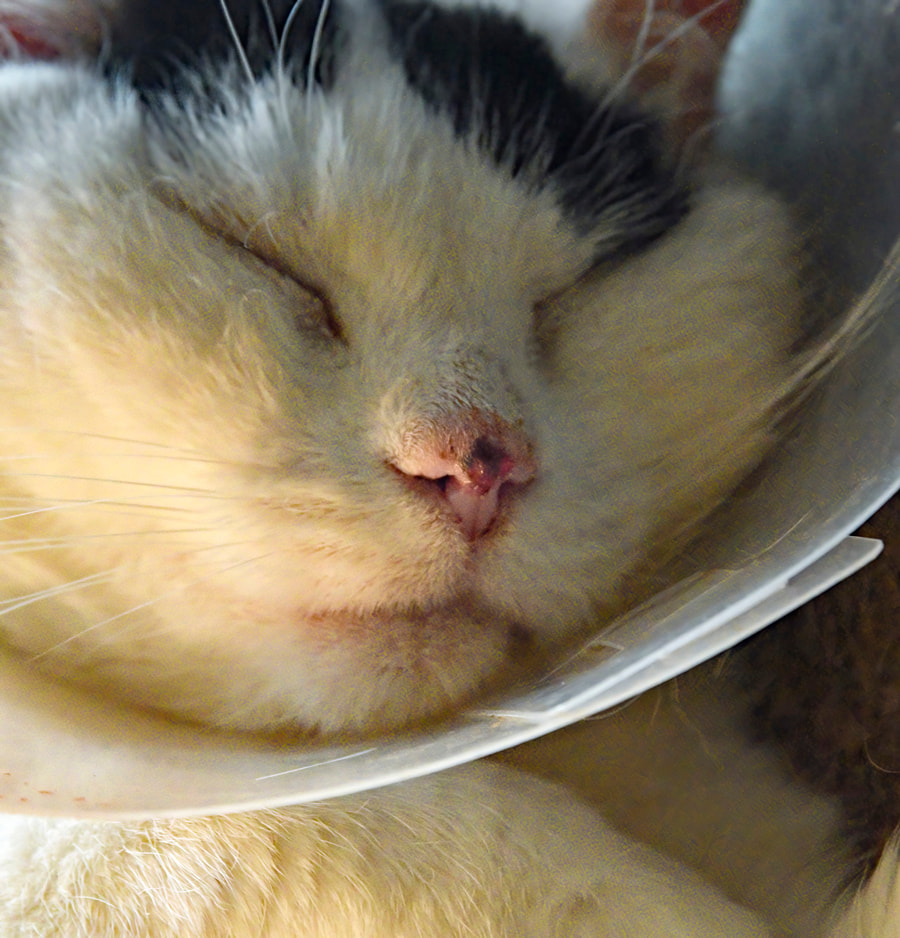
Not good news. Laboratory needs a larger biopsy sample, which may mean removing part of his nose – and then stitches and painkillers!
If he has nose cancer, life expectancy after treatment may be no more than 12 months.
If it is cancer, he will be imprisoned indoors after treatment wearing the hated collarette. And any ongoing subsequent treatments will only add to his misery. I would want to spare him that, unless I can be convinced of palliative care, and that depends on the vet’s prognosis following the diagnosis.
Apart from his nose, and following blood tests, he appears to be in good general health – no other issues. At the moment pussycat is comfortable and has decided that evening time is lap-time. With lots of purring.
It is so hard, with so much love for our animals, to decide whether to do an intervention with all the pain and terror that involves, or to take a palliative care route and make their last time with us as happy as we can. We hold them close to us knowing it is too, too hard to let them go but trying to understand what they would wish.
I hope you find peace in whatever you and your pusscat decide to do. These furry souls are a blessing.
He hates his collarette and is constantly scratching at both ears which he can’t reach. I’ve cleaned them out and found he has ear pain, so I’ll ask the vet to examine and treat his ears before considering another biopsy.
If his ears after treatment and the collarette no longer bother him, I’ll consider a biopsy at a later date, and see how he goes in the meanwhile. But from what I read, the type of cancer I think he has, gives a life expectancy of 12 months without treatment, and 12 months after treatment.
His nose doesn’t seem to bother him and if his ears and the collarette no longer bother him, my preference is not to have another biopsy - a biopsy may well make things worse - and a following operation doesn’t guarantee very much.
I think I’m going to bide my time and keep him comfortable and happy until other symptoms begin to appear. He has settled into a new routine at home now and if any discomfort can be managed successfully then that is what I shall do. He’s 14 years old, weighs 5+ kilos and loves to be touched, even stretched on his back having a belly rub.
I do appreciate your concern, and from others! Thankyou.


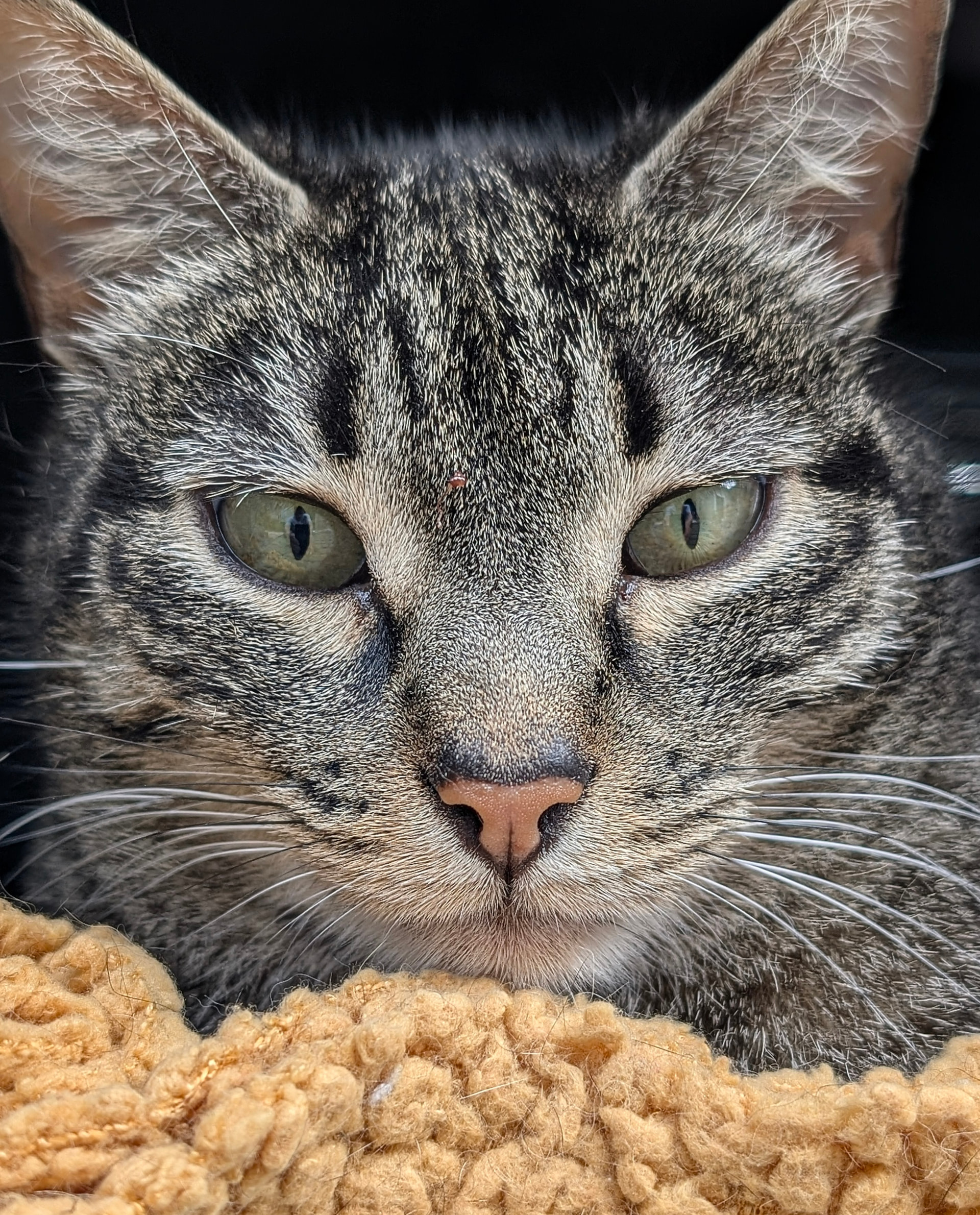
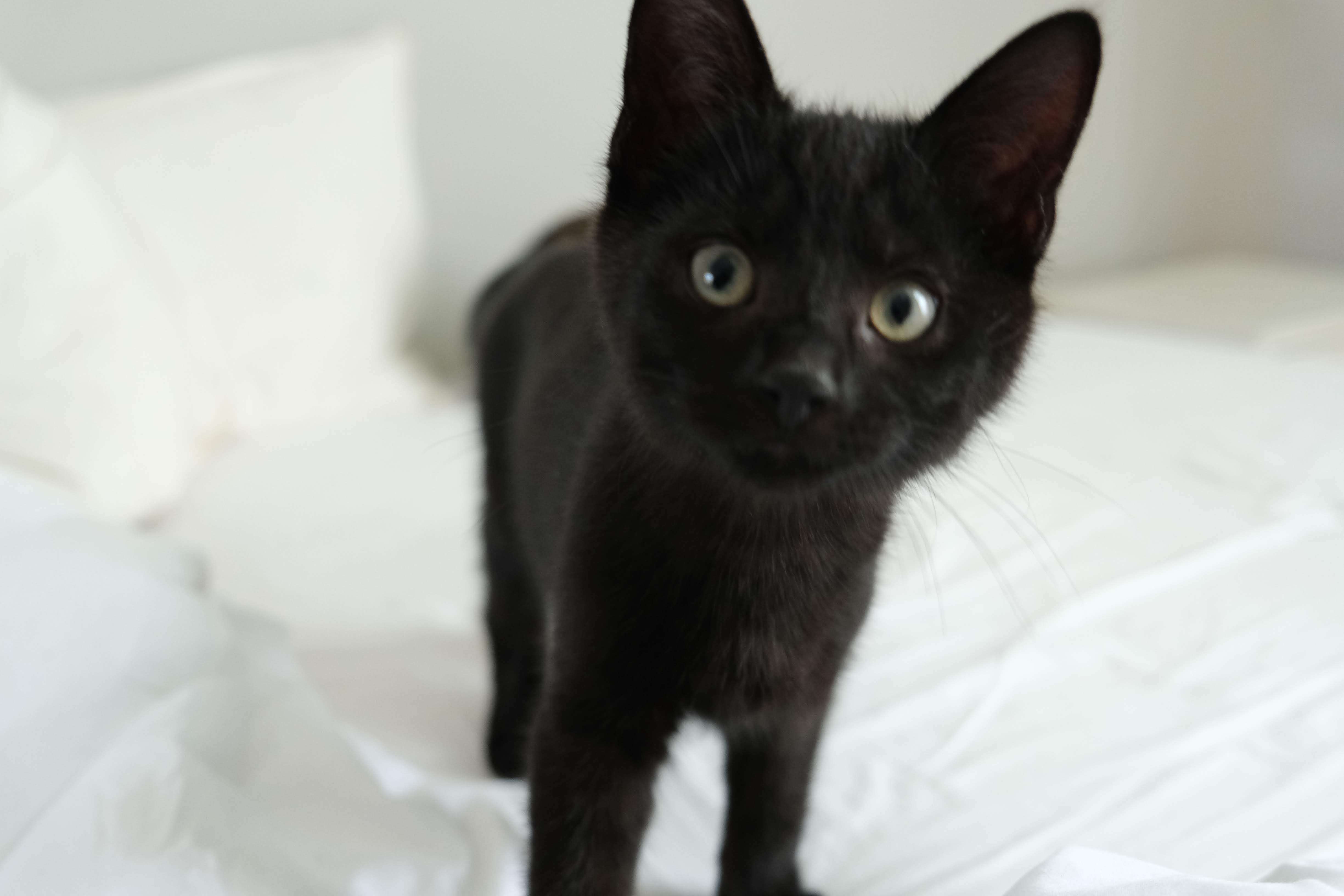
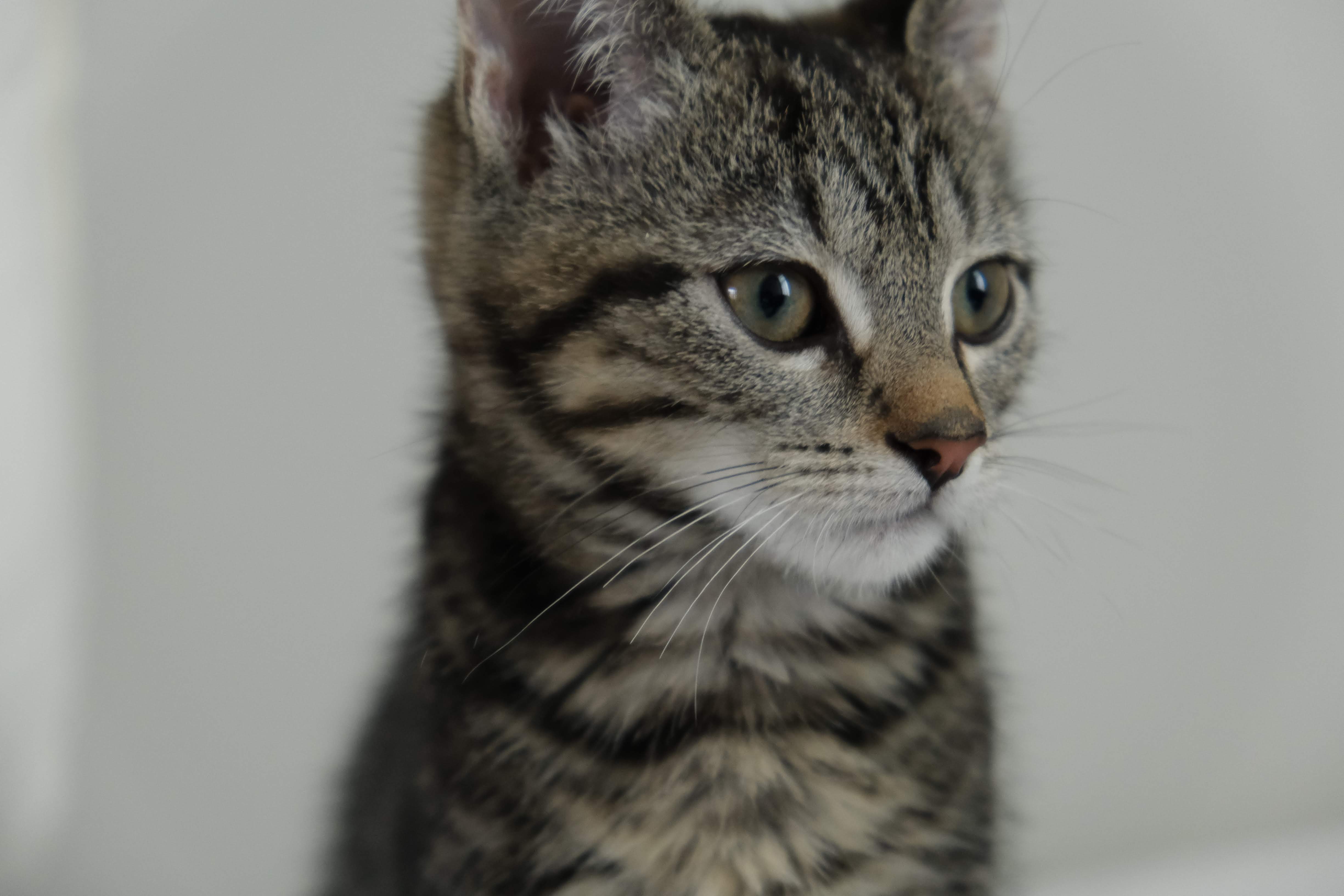
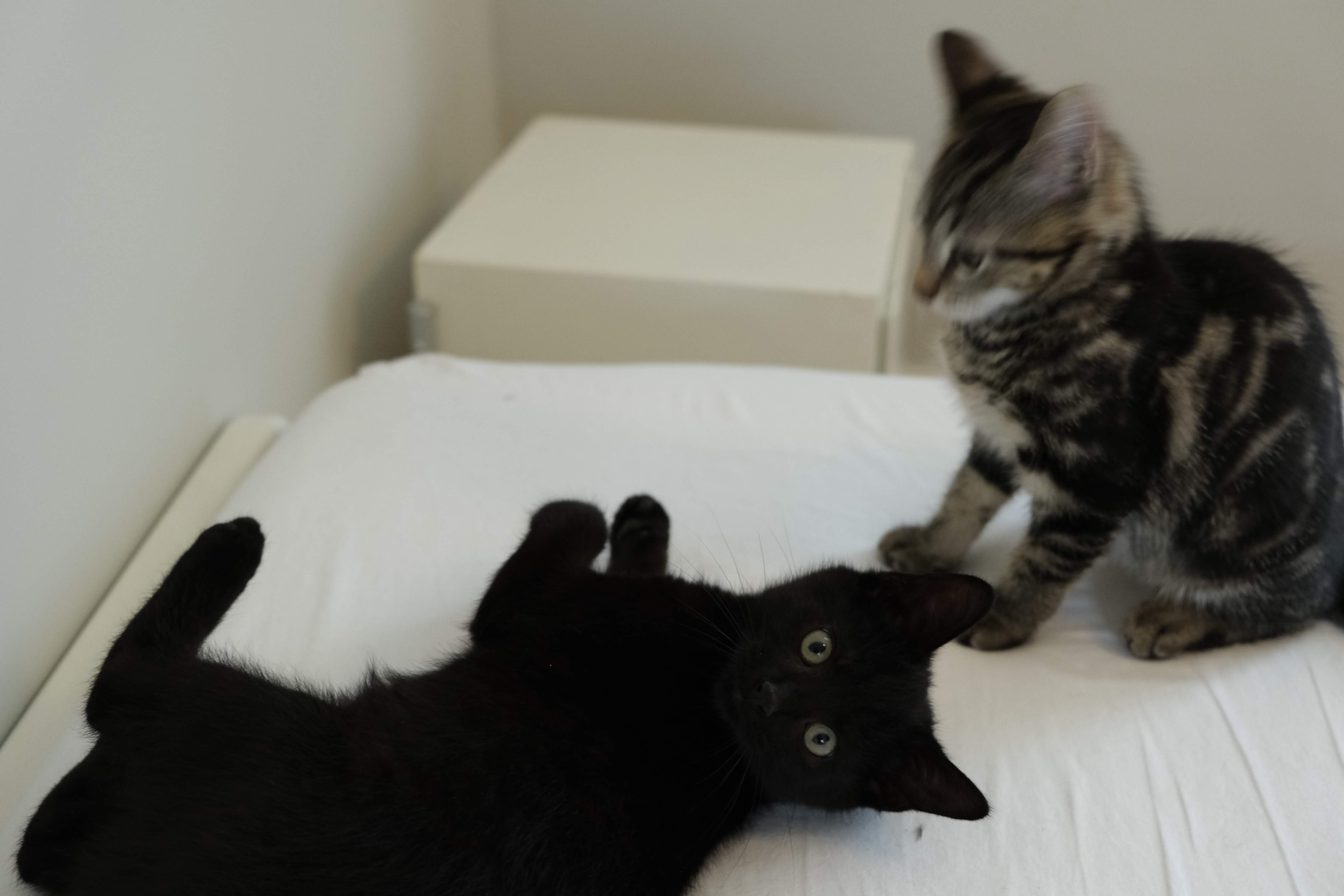
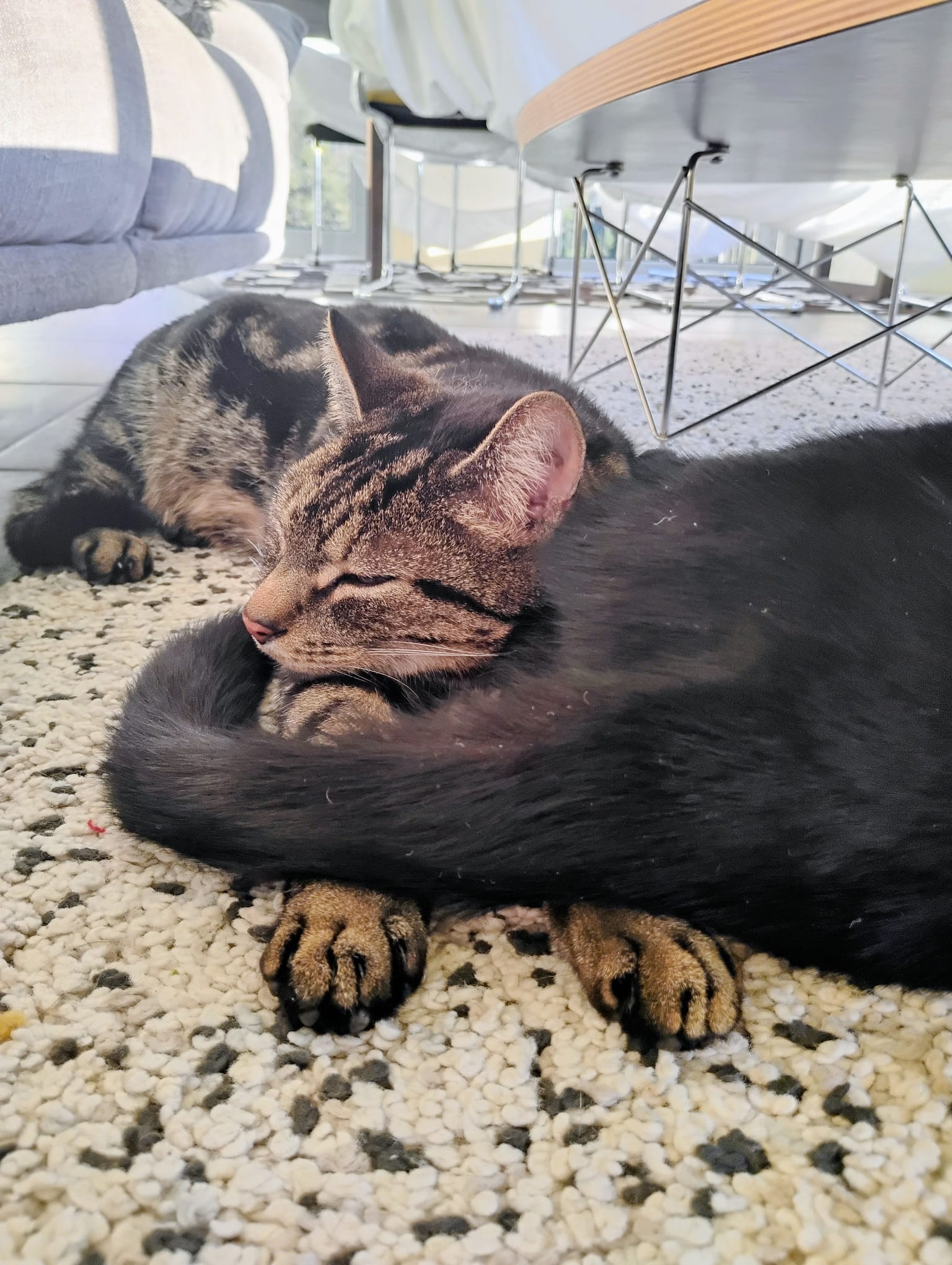
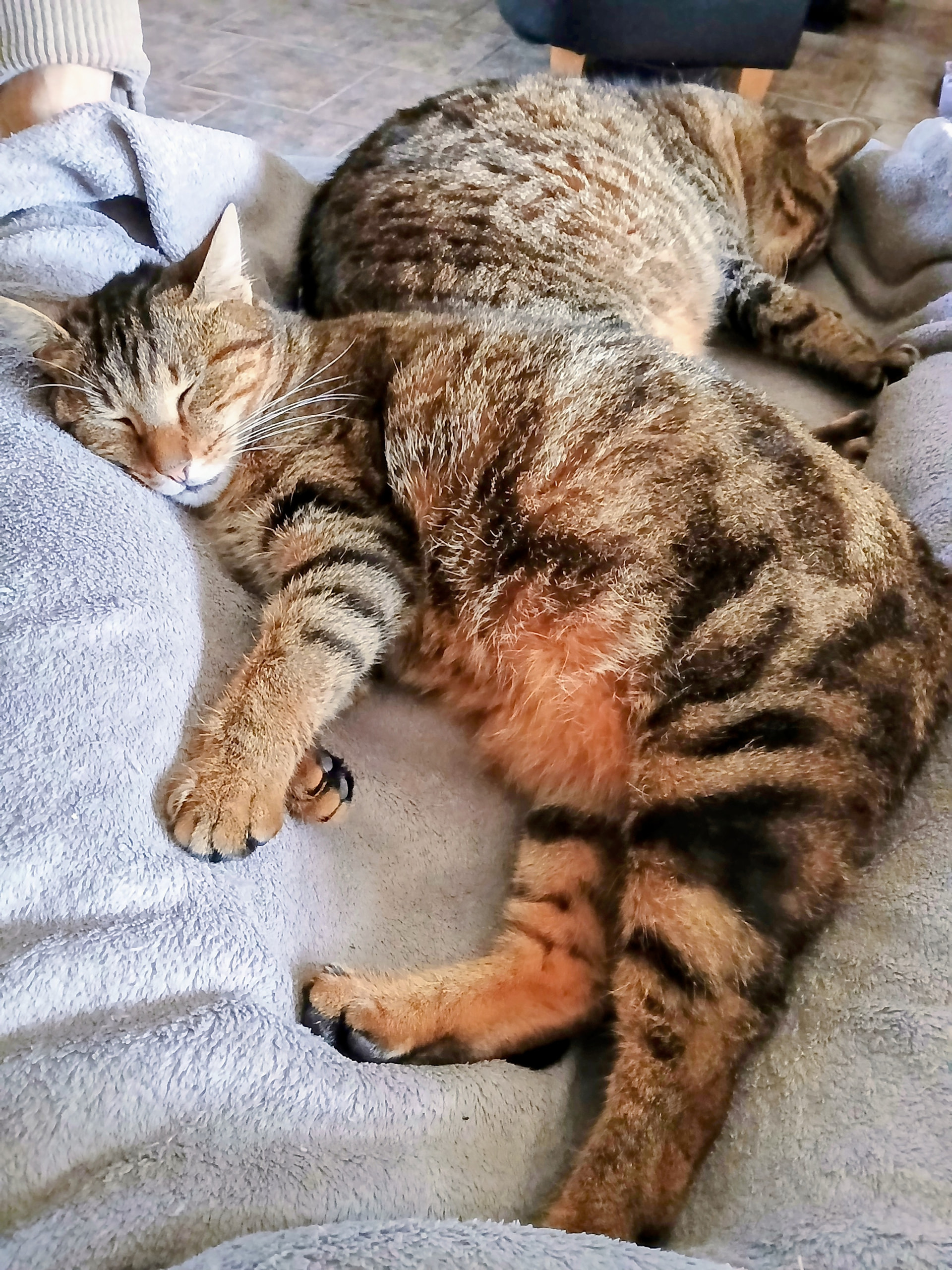
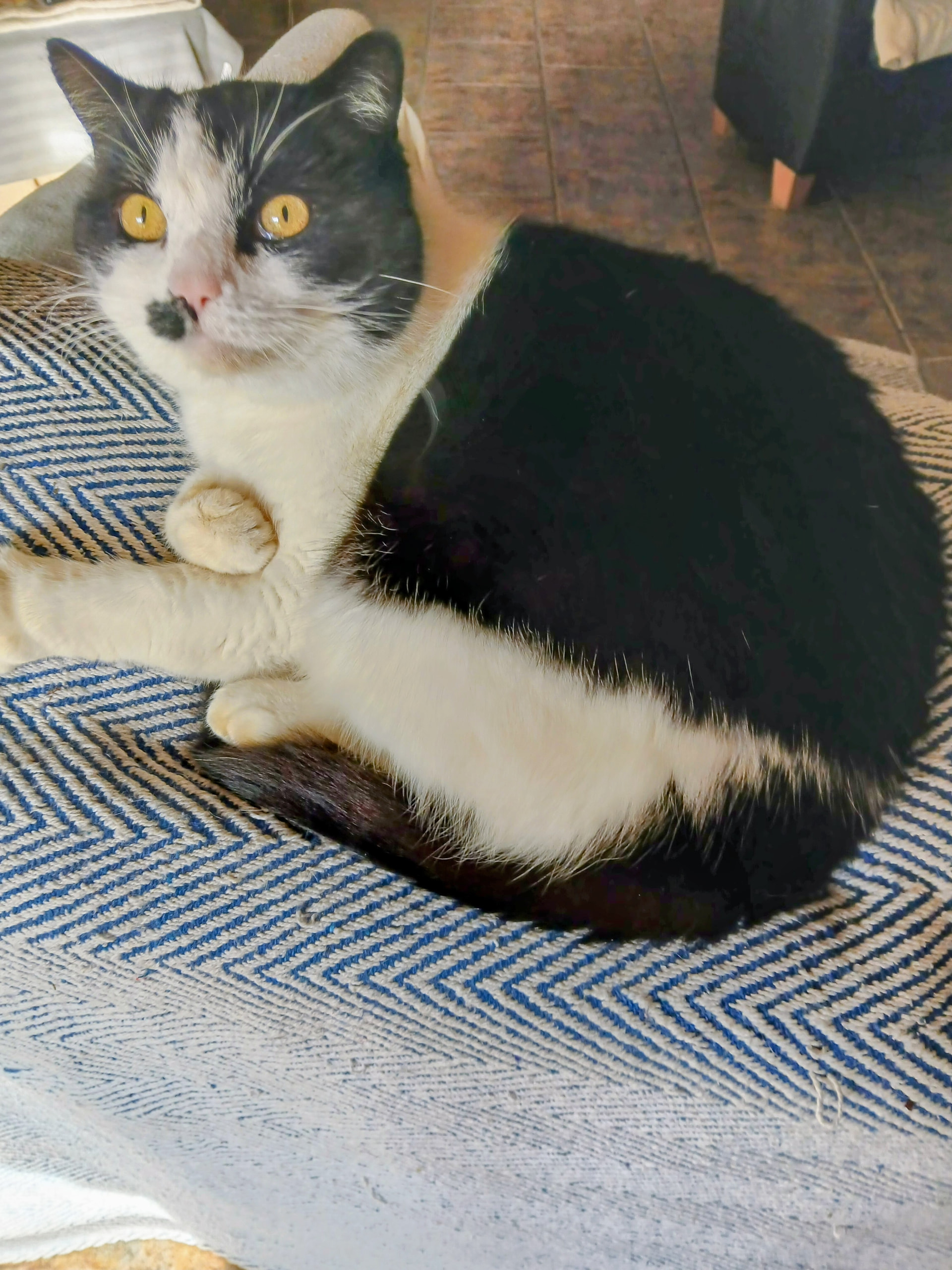

 sorry
sorry