Our expensive dustbin became redundant when the local council changed rubbish collection to central bins rather than home collections. I have been using it to compost all the vegetable waste from the kitchen.
Everything has now turned to a black gooey mess which quickly transforms anything I put in. The thing that alarms me is that the surface is heaving with maggots. They make excellent fishing bait but my concern is whether the resulting mess, after they have all died off in winter, will still be good for the garden.
No there is little air entering. I have a normal compost bin that works normally. This was an experiment to see if I could make something more concentrated. Any green stuff I chuck in disintegrates in a day. Not being a biologist, I just wondered if I was creating any problems.
Is too anaerobic bad? Reading stuff posted on Internet, it should be slow to break down and smell awful. Mine breaks down quickly and has virtually no smell! I have a pile of wood chippings set aside for mulch. Would a layer of two of that help?
…paper waste comes under the category of ‘brown’ too don’t forget. Bits of cardboard and brown Amazon paper sacks are best but envelopes and pub all end up torn into bits and added to my green waste. It all helps to keep it away from the slimy/smelly mess stage.
No, it is an unaltered wheelie bin with hinged lid
That is what I was hoping to obtain. At the moment, it an inoffensive digestion machine. My concern is – will the result be beneficial for compost (albeit needing dilution) or will it contain anything harmful? I was hoping someone who understood the science could shed some light on the subject.
I used a large wheely type bin in the UK for composting. I drilled lots of holes in the side with a 16mm drill bit and a few in the bottom. I too got dark brown/black liquid from the bottom. It was saved and used as liquid fertiliser, diluted of course.
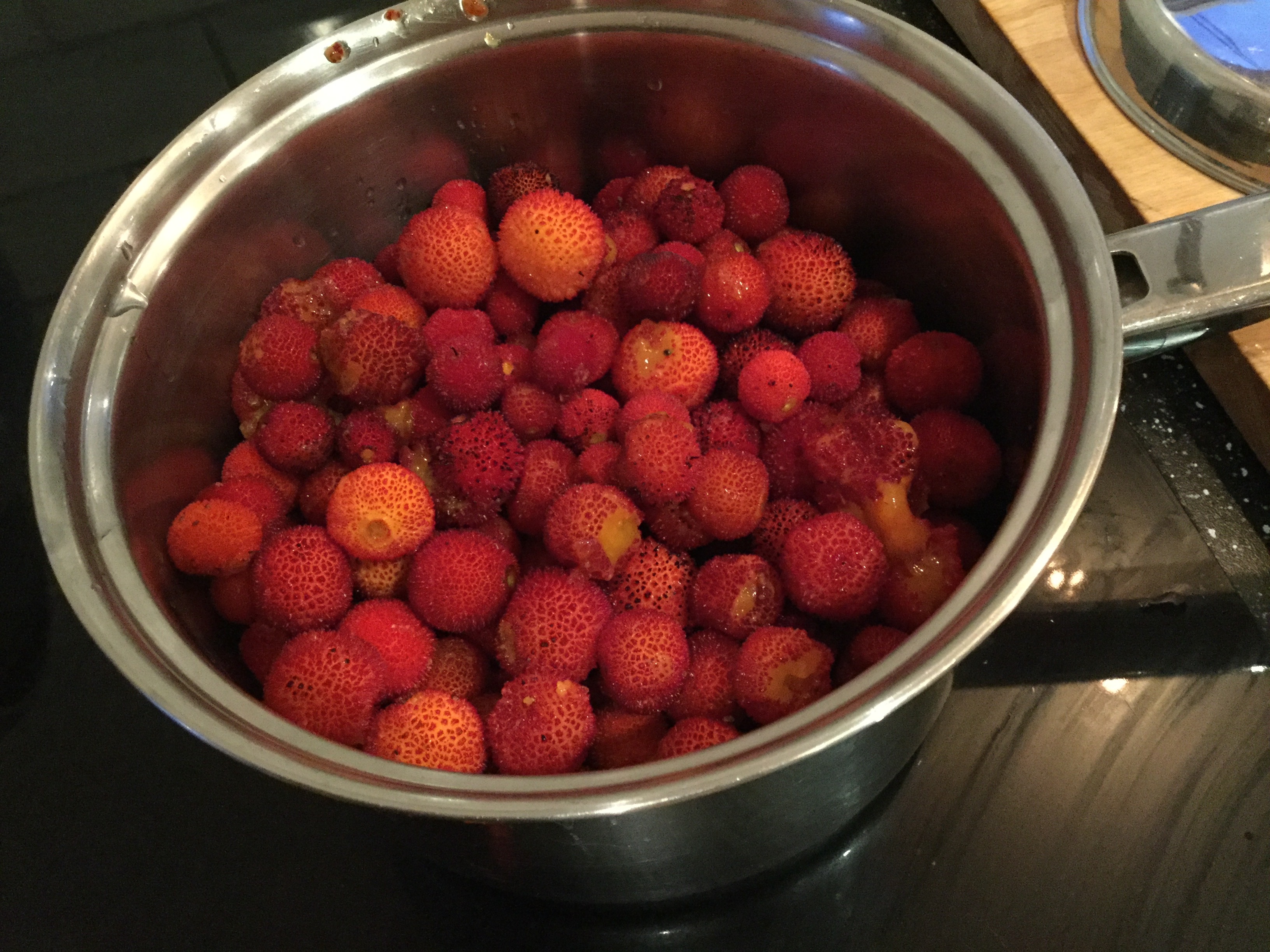
In France I have three m3 composters and the goo just seeps into the ground behind my three strawberry trees. They are doing very well.