PIS,s panelle insulated structure?
1 Like
Try PSI. Panneaux structurellement isolés
2 Likes
In the course of making a decision about which timber frame house to build, we visited a Huf house in the Charente which was just about complete. The quality of both materials and the build itself was exceptional - which is why they are so expensive 
We originally considered building a house using paille bales and discussed this with the mairie at the local town where we looked at some suitable land we were considering purchasing at the time. He was fascinated by the prospect and would not have stood in the way of the project - indeed, he would have encouraged it. Sadly the project came to nothing. Also not sure how the mairie would view it fitting in here because the permis on the land we were looking at had had expired and would unlikely be renewed as the local plan had changed in the meantime.
The French do not seem to have the same desire to see rows and rows of houses all looking the same throughout the countryside as seems to be the case elsewhere. The only exception seems to be where the property is in close proximity to national landmarks and churches.
Hi Graham. I tried contacting them about 2 years ago, but heard nothing back. On their Facebook page you also get a lot of people saying they get no reply, however on their website they have now posted this

But it appears some people have definitely built using their system in France
Pity there are no prices, but I guess the saving will be made in labour and the product will be relatively expensive.
1 Like
They were famous long before that! They were established in 1900’s alongside the bauhaus architectural movement that is their style. Just because you hadn’t heard of them doesn’t mean they weren’t well known by others.
They are expensive and only do complete buildings. Many cheaper options available, especiallyGerman firms as pre-fabricated houses are common and popular. But there is only one HufHaus with that style.
In the right place they would get planning permission, especially as high environmental standards.
1 Like
Hi Jane, were they building super insulated houses back then, was it a cornerstone of their design?
I wasn’t around then so don’t know. But cornerstone of their design was Bauhaus, so unlikely although they dealt with heating/cooling of the glass. And their clients were not the sort to put up with uncomfortable houses I imagine.
1 Like
The Bauhaus started in 1919 in Weimar and only moved into its famous Gropius designed building at Dessau in 1925.

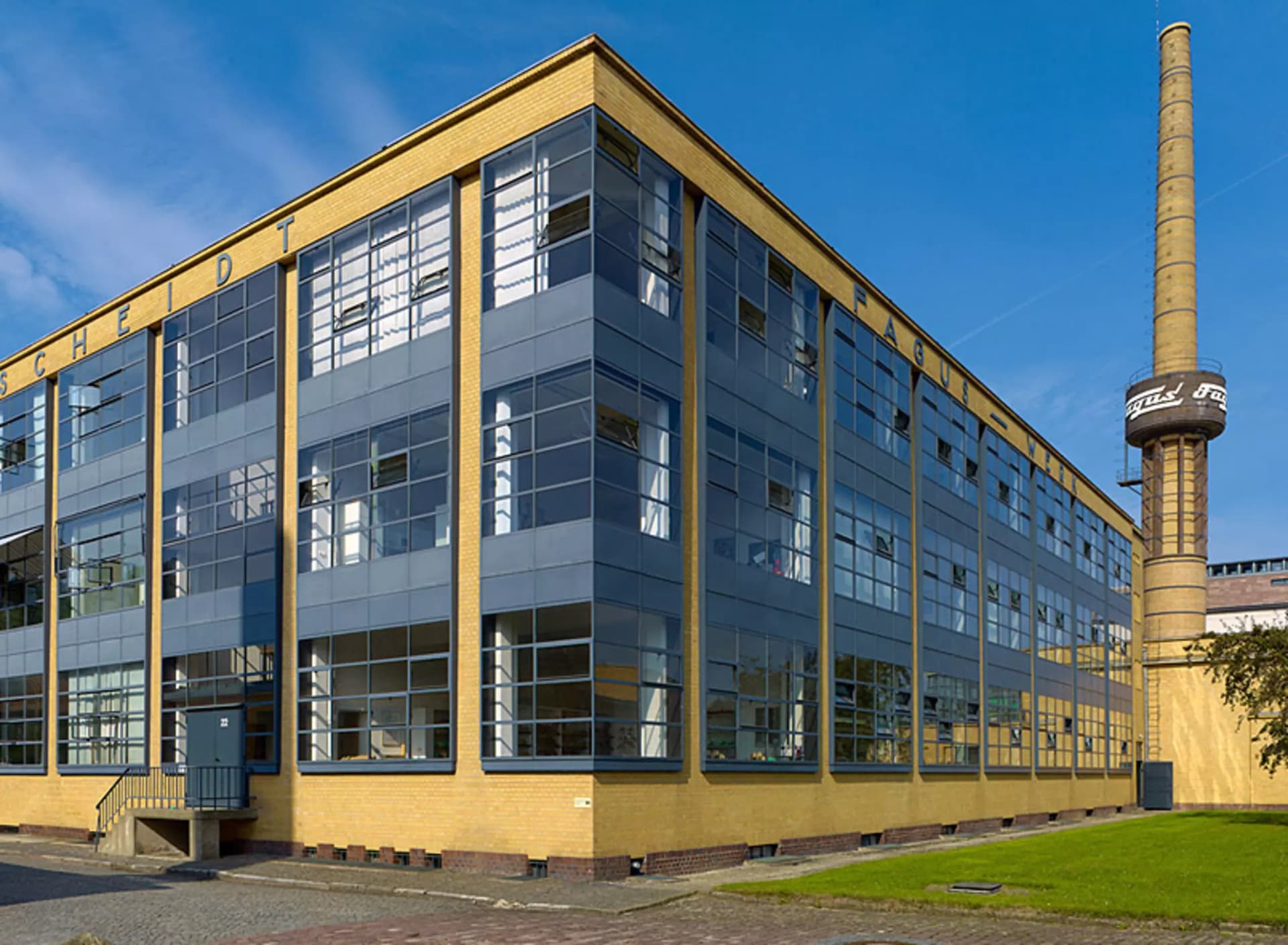
Gropius’s 1913 Fagus works (below) is often credited with being the first glass, or curtain wall ie. the wall doesn’t support the roof, that’s instead done inside the wall. Both buildings had the problems of being too hot and too cold that bedevilled International Style architecture for many decades.
1 Like
And M.Huf was training as a carpenter at same time and his design influences were formed in this period. My grandparents had a bit of Bauhaus furniture, but my mother gave it all to the rag and bone men in the 60’s as a swap for “modern” furniture 
Hope they weren’t Corb sofas and Barcelona chairs!
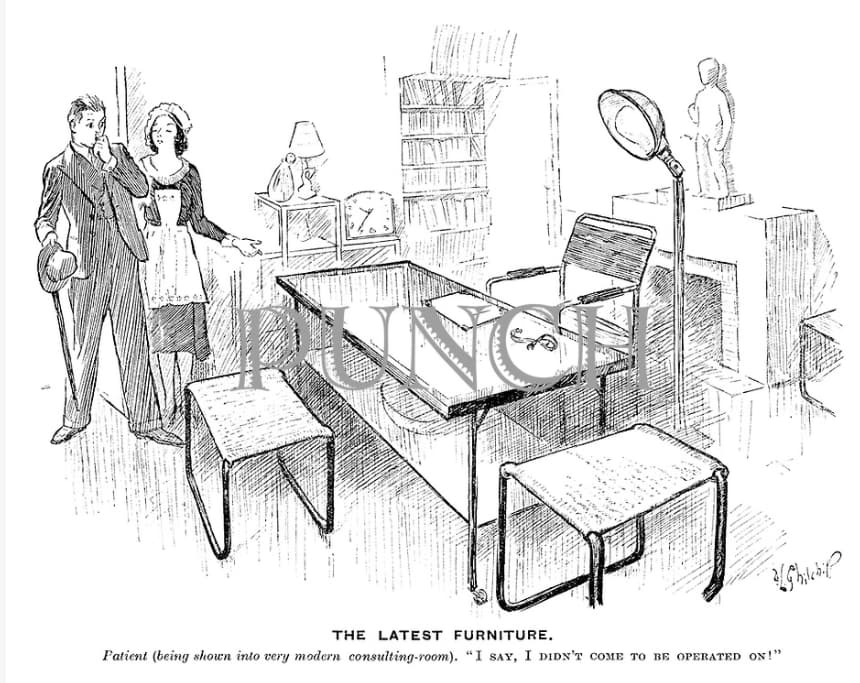
Most of the inexpensive tubular steel ‘Bauhaus’ furniture found in the UK was made by PEL a company founded in England by Marcel Breuer after the Nazis closed the Bauhaus. It became the butt of many 1930s Punch cartoons.
Sadly they were the real deal….my prophetic grandfather shipped all his furniture etc from Berlin in 1930’s.
2 Likes
Ouch!
1930s Barcelona chairs in excellent condition can fetch over $50,000 each!
With a building constructed virtually entirely of OSB board (with it’s own adhesive within), wood, and polystyrene blocks, one wonders what happens in the event of a fire. Presumably it would effectively be a mini environmental disaster with neighbours for some distance around being evacuated away from the danger of toxic fumes.
Do such buildings come with mandatory fire suppression sprinkler systems I wonder.
Might be made with nasty fire retardant chemicals
In the case of our wood framed house, (using OSB and wood panels) fire retardancy comes, in our case, from fire retardant materials on the outside (cement board) and dry lining on the inside with rock wool insulation in a sandwich between the OSB outer skin and the plaster board internal walls. The dry lining round the wood burner and above it is special fire retardant. The roof insulation is also rock wool which has been shown to have high fire retardancy properties. Our insurer is well informed about the construction and expresses no concern, nor do they load the premium on account of the process.
1 Like
With such insulated materials being used the sources of heat that might cause fires compared to an original contruction should reduce the risk factors considerably.
1 Like
Do you mean non combustible?
Plaque de Plâtre NF BA13 f Feu - bleeding expensive stuff 8.30€/m² (current catalogue price) and Hydofuge in wet areas at €5.90€/m²
My non-prophetic step-grandmother sold-up and moved from Detroit to Hamburg in 1932 and, a year later and much poorer, moved back to the States.