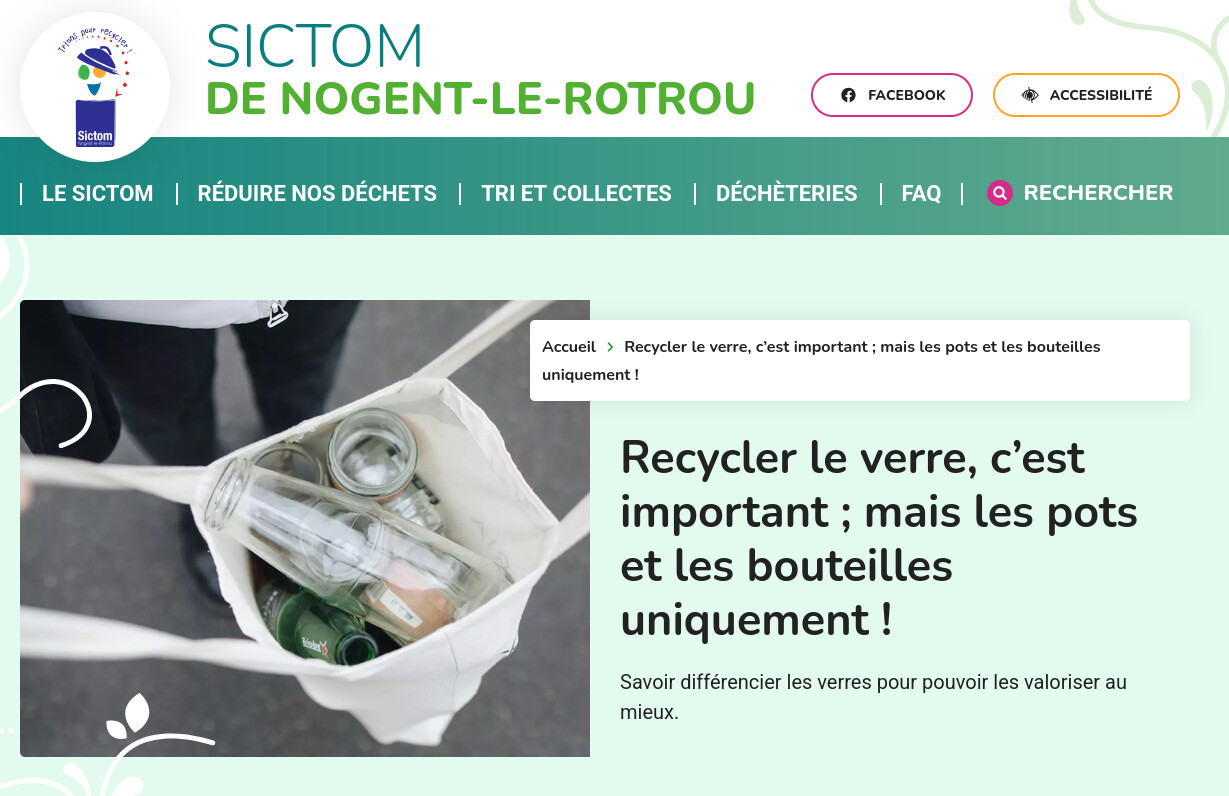
In my zeal to rid myself of long forgotten rejects I discovered a cache of glass jars of varying sizes and type all full of ‘stuff’, some impossible to open and the one or two I have managed to do so contain unknown solids and near solids though fortunately without smell.
I gingerly collected them in a large black bag which is obviously quite heavy.
My question is, bearing in mind not wishing to transgress any laws, should I dump them in a bottle bank or as one anonymous bag, in the general waste bins?
Obviously I have not tasted any I have opened but I am convinced they are foodstuff of some kind, thus not hazardous.
A couple are not glass but rusted shut metal which contained fruit flavouring of some kind and if those are adjudged to be rejected as they are, I would put them in with the metals and plastics, not of course the glass bins.
I’d have though it perfectly acceptable to put glass jars, without lids, in a bottle bank but they usually have lists of what is acceptable on the side don’t they?
In general the SITCOMs tend to like to keep things “pure”. So filled jam jars for example go in general waste. I imagine the same would apply to your bag of goodies.
Perhaps better to miss out on a tiny bit of glass recycling than risk messing up the process and having a whole container rejected for contamination. ( I learnt that’s what they do if there are too many things like light bulbs as they mess up temperatures)
I think that depends on the facilities actually doing the recycling. Certainly after watching Dryden Aqua’s facility at work and bearing in mind most glass is broken going into the bins. They separate out all sorts of glass into what’s required for making filter media and what’s rejected for use elsewhere. All so fast the human eye cannot track it. Metals are quickly removed via magnet separation and air blasts. Blue glass is rejected along with most clear glass by super quick computer sorting, quite amazing and contents are destroyed from the mix with hight temperatures. Obviously not all facilities offer this level but a fare number probably do.
So, taking all you answers together, for which I thank you all, as there are 3 bins between me and the shops, I should place say 3 in each as I progress. Pleased to hear about the contents mentioned though as some would be impossible to open (and discard metal lids) without some sort of danger in doing so, given tightness and rust.
I scrape the remnants of contents into my black bin, put the metal lids into the recycling and glass jars go into the local glass bin next time I have a full load to recycle.
Yes, but that assumes you can get the lids off without injury. Not sure the likes of @toryroo , @SuePJ or @Rachel05 would approve contact with artery opening sharp metal or glass .
Maybe best to wait until I get those large blood stopping plasters that Mario used on Saturday.
Perhaps the middle way is to take them out one by one, make an effort to unscrew each lid before disposal appropriately, one way or the other.
The breaking of the glass would most likely empty any contents and if not the high temperature incineration will. Has to be done to make the glass usable again.
In France they are pretty good a recycling compared to other places. Hopefully they can do this or not much glass would be fit for much else?
I leave my recycling out for molluscs to clean them - I’m less worried about metal and glass because they get processed at a high temperature, but I like my plastic to be clean.
Apparently the issue is whether the molten product is sufficiently aux normes for reuse. Too much substandard stuff, like thin window glass, lightbulbs and the
Ike means it is rejected. Perhaps in top notch recycling centres this is not a problem, but that’s what we were told on visit to our local one.
OK, I’ve made my mind up. I will try to open each one and scrape contents into black bin, then place glass and metal appropriately. If a lid does not come off the whole item has to go into the glass bin for computers to sort out later.