Worth reading this too.
We decided to get an EV back early in 2022 so I started researching chargers. I’ll detail the journey below, but my quick experience based synopsis is that the starting point is what milage you do a day.
Having started with an ICE mindset I didn’t realise that. Check out what km per kW your car is rated at, then halve it (because the claimed range for all EVs is recognised as exaggerated, just consistently so between marques, so handy for comparisons). Then work out what’s the maximum km you do everyday and that’ll give you the kWh you need to replenish the car overnight. It’s generally a lot less than one would think.
As I started out thinking like a petrol pump user, I’d need to be able to top up from, like 20%, to 80% in the shortest time possible and as we have three phase I researched 22kWh chargers and selected a good one. A Wallbox. Subsequently I haven’t come across any EV that recharges at more then 11kWh.  The Wallbox was overkill, it even has accounting software It’s more suited to a commercial or coproprietaire setting. But I guess I’m future proofed and it’s nice and discreet

It’s on the garage outside wall and probably less than seven metres from the power board. So not a lot of cable. Here’s what I paid for supply and install. I thought it was fair and my electrician is a star, a really nice and honest man. I could probably have shopped around but I trust him, so we’re both happy.
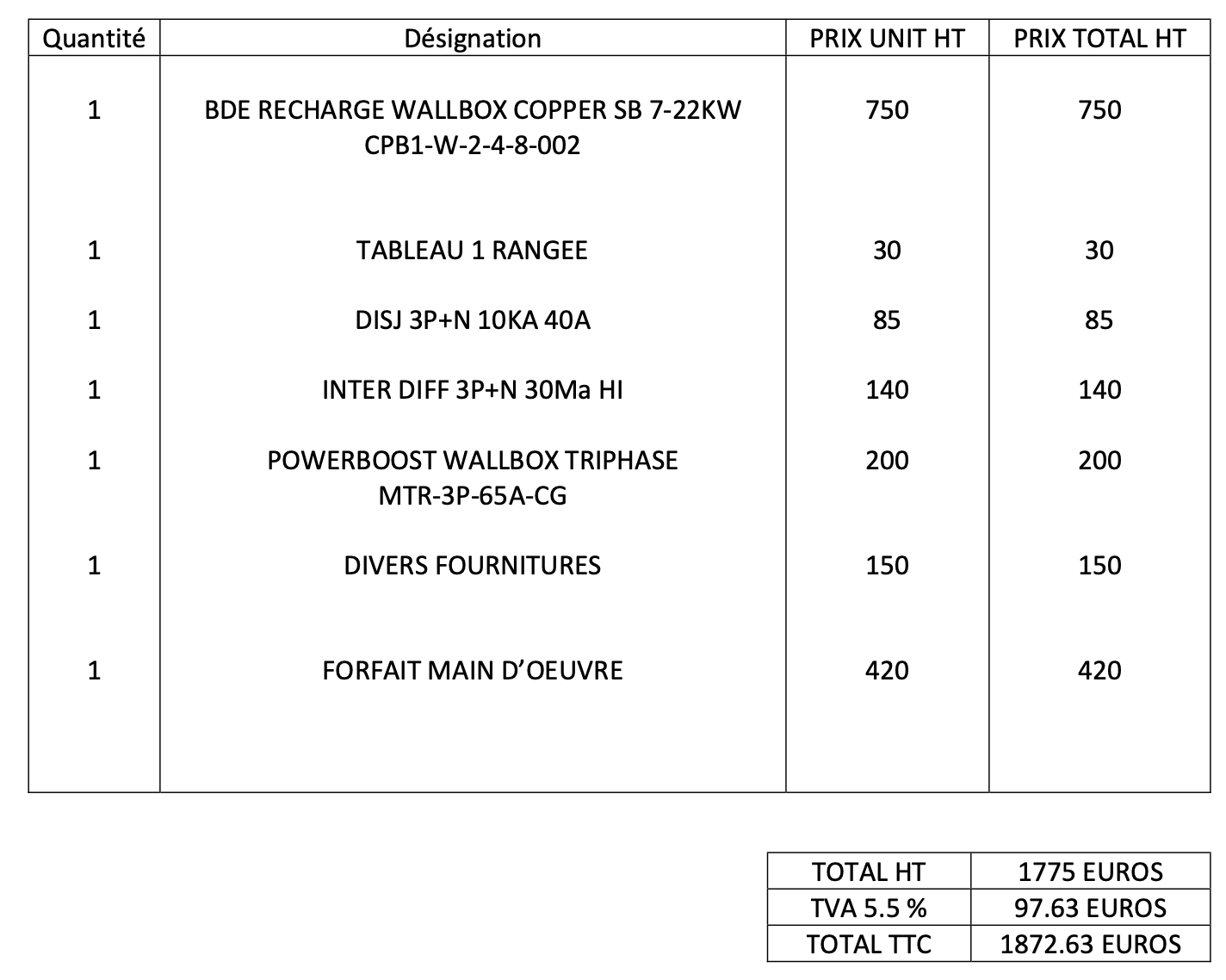
You’ll see there’s more stuff than just the charger and cable. For example there’s a load balancing device so that if the house is running hot then (as I understand it) the car is throttled back to avoid tripping my (18kW) supply. I’m a software person so I don’t understand any of this H/W stuff but I’m sure @Badger knows chapter and verse. Note the price for the installation of all this gear was only €420, plus a coffee. I also got the tax rebate, on the labour I think.
We started using the Wallbox with a hybrid we had, but it stopped working pretty quickly. The service and support from the Company, Wallbox was dreadful (they’re from Barcelona  ). It took weeks to get them to send their regional support guy to replace the box. He, on the other hand, was excellent. We’ve had no problems since and we have his number
We then bought the EV in 2022, but due to the worldwide chip shortage she wasn’t delivered until July 2023. Since then everything has gone swimmingly and, after owning many cars, it’s one of my favourites.
Subsequently I was browsing the Lidl catalog, as one does, and spotted that they were selling chargers. Having experienced the Wallbox support and, now having an EV we didn’t want any another potential weeks long outage, so I bought a 11kWh model which was on “special;” with 50 quid off. Lidl don’t seem to be selling them anymore. Though I’ve seen the 22kWh listed on their site for €499 but “epuisé en line”.
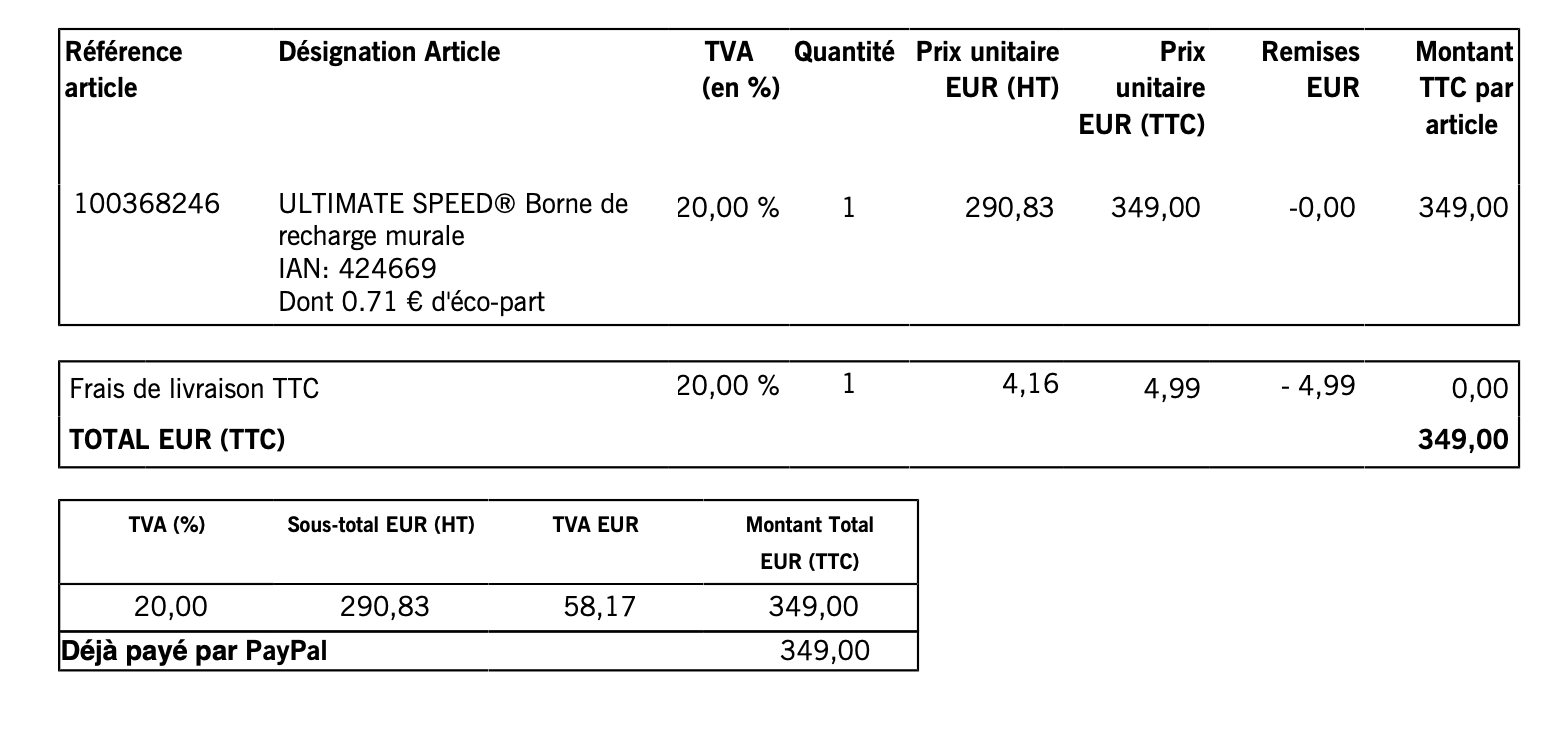
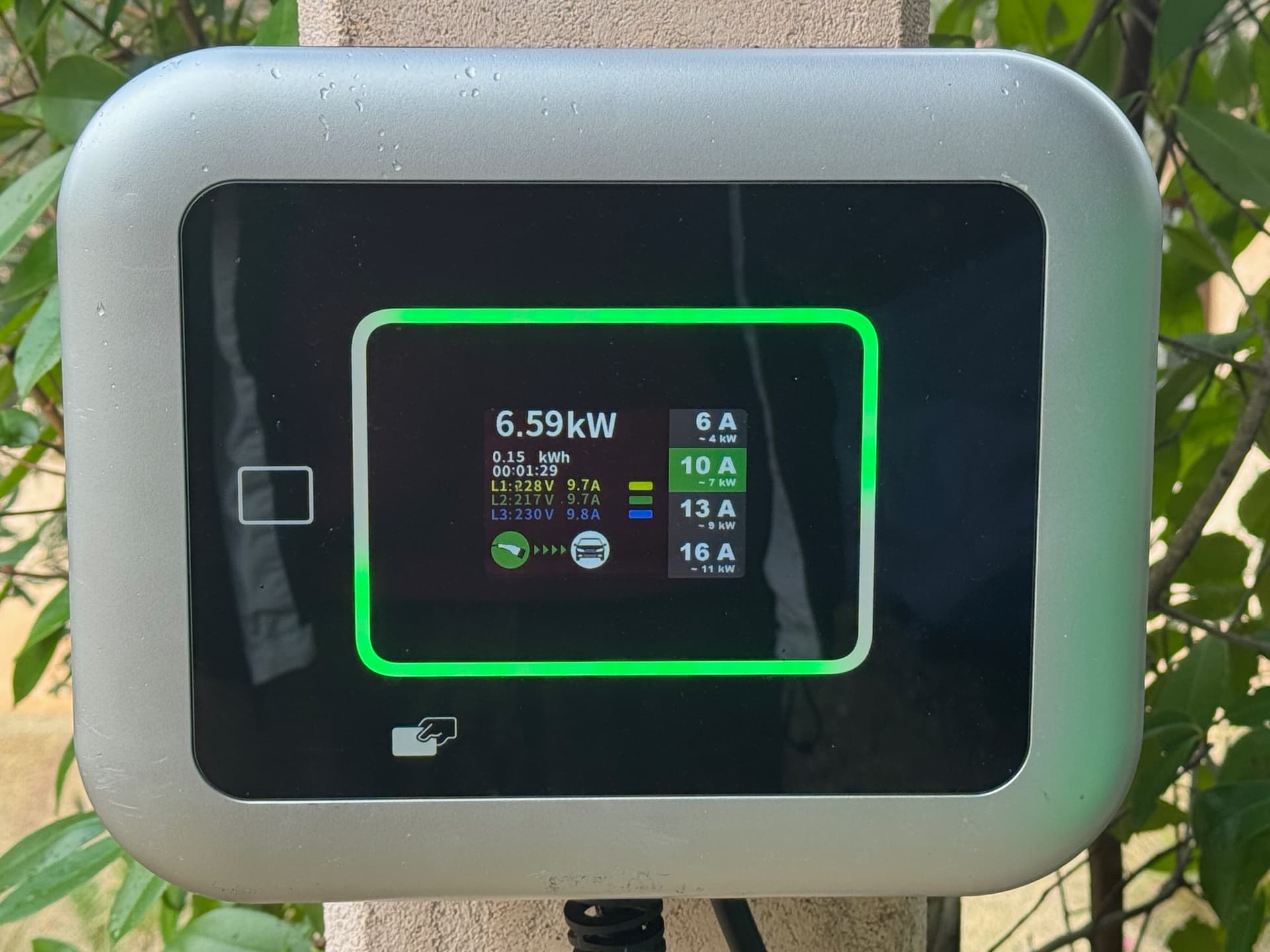
It sat on a shelf waiting for me to do something about it until last December when we acquired a small second EV for local use. Our first one had been bought knowing we would quite frequently do 1,000km plus trips, so it has a 82kWh battery vs the 50kWh of the new one. Though I did “courageously” (in the Yes, Minister sense) do a long trip in it in winter, which is a whole other story. So we installed the Lidl charger about fifty metres from the first one, in the car abri.
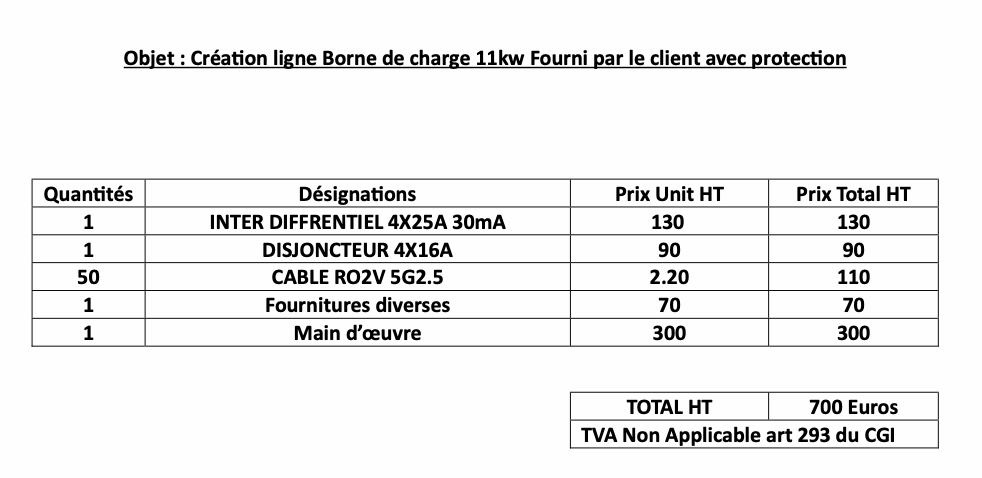
Using my electrician again the cost of installing this one was:
We only run the Lidl one at 7kWh because we now know that given the low milage the R5 does it’s more than sufficient for a daily charge.
Sorry for the long post, but I thought I write it once and never come back to the topic again, apart from pointing to this post 
I suppose the bottom line is that a 3.7kWh plug in the wall would probably do most people, but if you want to make meal of it, you can.
One way or the other, your labour looks too high.