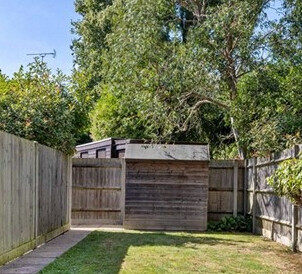
The house we have just bought has a small shed at the end of the garden, on a concrete base. It is very close to the wooden fence behind. The fence is already showing signs of rotting, though only has been there (probably) for the last nine or so years. The shed has a damp floor at the door end where wet leaves have blown in - the door end of the shed points north west and is in shade.
If possible, I would like to use the shed for storing tools (not just gardening stuff) because there is nowhere in the house.
Also, the shed is not a thing of great beauty and I’d like to put a trellis on it and grow ivy up it, possibly with a mirror in the middle (cliché, I know).
The shed I am assuming was built using treated timber about 10 years ago, but nothing done since.
I welcome suggestions please is to how I can protect the shed to stop it rotting and safely store tools in the dry and grow ivy up the exterior.
If it hasn’t guttering then install it, piped into a water butt the water or a soak away, if you have a water butt it must have an overflow piped into a soak away. Many people don’t think of guttering on sheds etc then wonder why they rot from the bottom up.
Have a look at Cuprinol Garden shades, look online at all the different colours. Homebase in Chichester used to sell it but now closed down I believe. B&Q on the road into Bognor sells it too.
If there is already signs of rot on the existing shed you might be better off getting rid and replacing with a new one (with gutters)
Just realised, I’ve got the orientation wrong . The door is opening towards the s/w . When I’m next there, I’ll leave the door open and, hopefully, if we have some sun, the inside might dry out a bit. It’s only the front bit of the floor that’s damp.
This is a photo from the agents ad, taken last summer.
I wouldn’t, yact varnish goes on high quality close grain timber often teak etc. sheds are made of low grade often open grain so the expansion and contraction over the seasons will make the varnish crack and peel
What’s the difference between creosote and cuprinol?
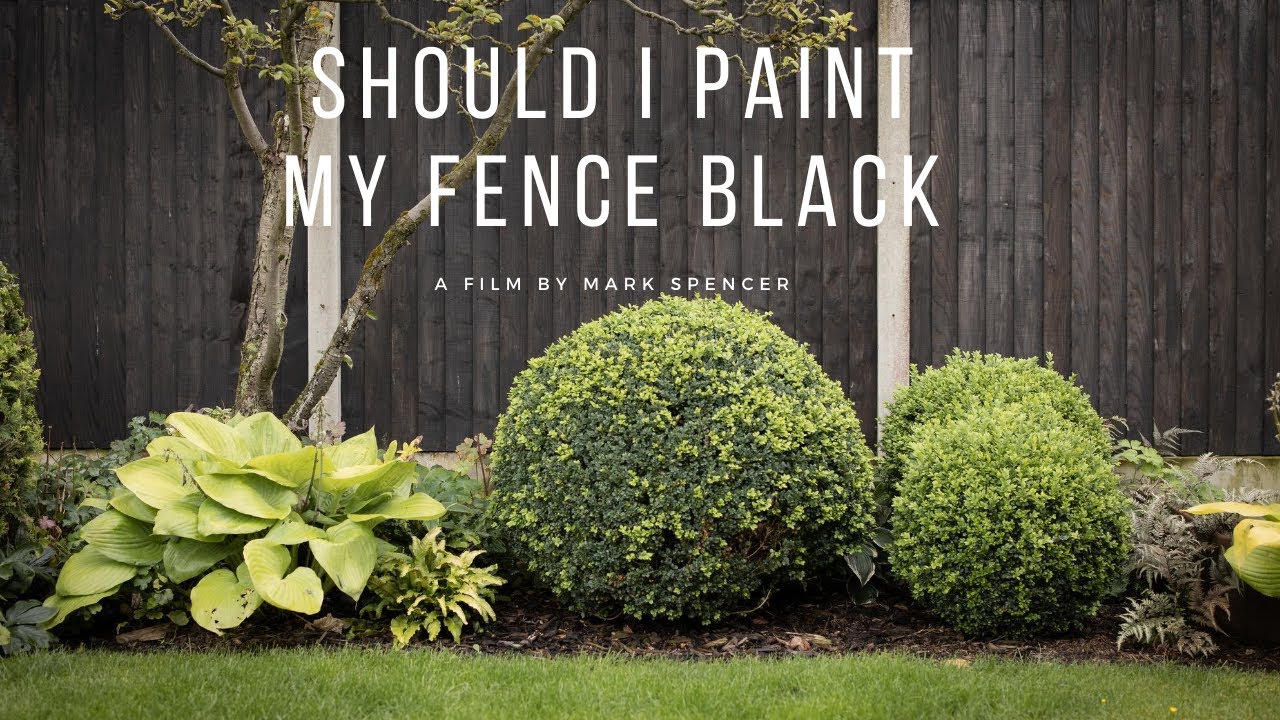
I’m planning on treating the fence so it’s black -fades into background once the garden is planted.
It’s what Geoff Hamilton first suggested (I think).
I would probably use a breather membrane that roofers use, that way moisture in the timber can still evaporate, otherwise the wood could rot/mould from the inside.
Ask the cantonniers what they use on the village shed, I bet they’ve got one, ours do and they repaint it every couple of years with black stuff which soaks in, it smells deliciously of garden string and Laphroaig.
I’m assuming it’s your Uk property? , because B&M stores are getting their gardening stuff in at the moment and they usually sell Cuprinol cheaper than diy stores, if you have one anywhere close. We got our dark grey fence paint there and can still get it if we need any. Good value for compost too!