Current mower is due for replacement. It’s a Worx 36V model and, even with larger capacity batteries, it’s a wimp. As soon as the grass gets higher than it likes, which isn’t very high (if I miss a week, for example), it isn’t at all happy.
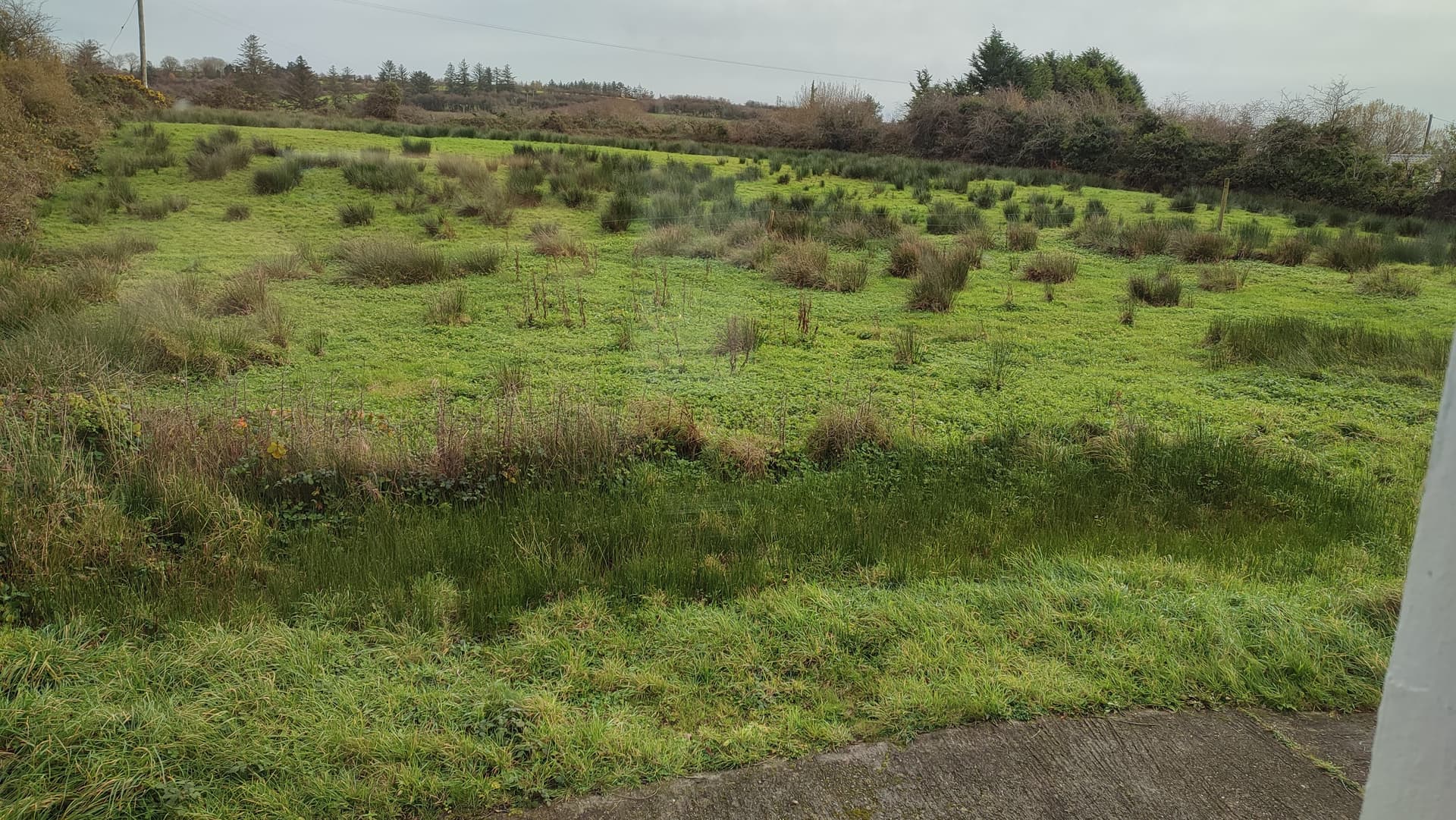
There are some old threads on here but I can’t see any which deal with my (perhaps ignorant on my part) question: How do robots cope with bumpy ground? The town is builty on clay and you can feel in when you walk on the grass, which has a tendency to tuftiness. It’s quite flat, which is a bonus.
I like the idea of mulching, and am not really averse to a proper lawnmower (not another battery one, though, which means it would have to be petrol), but ideally I’d fancy a robot.
Ours copes fairly well with a bumpy, rough lawn. Occasionally it will get stuck, but not seemingly due to bumps. We’ve also noticed that over time, perhaps due to repeated mowing and mulching, the bumps seem to flatten and become less pronounced.If you don’t mind sometimes having to check up on your robot mower’s whereabouts, then it should work fine.
Probably not suited, I guess. For scale, that greenery is about 20-30cm high, and the tufts of bog grass significantly higher. Also, the grass is almost invariably wet for most of the year (not France, but Ireland). Most people seem to have tractor mowers, or petrol powered meaty Briggs & Stratton mowers.
So far, I have used a brush cutter on the bog grass, and a nylon strimmer on the rest, but it isn’t brilliant. Guess I’m going to have to bite the bullet for a petrol driven affair.
Robotic mowers are actually designed with uneven lawns in mind, but how well they cope depends on the model and the extent of the bumps. Most modern robotic mowers have floating or pivoting decks, wide treaded wheels, and sensors that let them adjust as they move across tufts or dips. On slightly bumpy or clay-based ground, they usually handle fine as long as there aren’t sudden holes or steep ridges. If the “bumpiness” is more like natural undulation rather than potholes, a robot should adapt without issue.
What you’ll want to check:
Ground clearance and wheel design – models with larger, grippy wheels climb over small tufts better.
Blade system – small, free-spinning blades or disc blades tend to cope better on uneven patches compared to rigid bars.
Installation setup – if you set the cutting height a bit higher, the mower won’t scalp the grass on uneven spots.
Mulching is a strong point of robotic mowers because they cut often and leave fine clippings behind, which helps feed the lawn. If you’re used to waiting until the grass is long, that will be a shift—robots do best with frequent, light trims rather than tackling overgrowth.
If you’d still like a fallback, a petrol push mower can be handy for the occasional “reset” cut, but for weekly maintenance on a bumpy clay lawn, a good quality robotic mower should keep things looking tidy without much fuss.
I couldn’t decide whether to post my latest recipe or actually do a test to see what sort of gradient my robot could cope with. Common sense prevailed and I made a short video of the result. It quite surprised me.
That is immensely reassuring Mik. I plan to expand the number of lawns our Luba is mowing. To get to the new one it has to go down a bank, Based on your experience it will manage it easily. I haven’t tried yet because the grass hasn’t grown for nearly 3 months (in that time I’ve only used the Luba twice, to neaten things up before our guests arrive).
Ours (Mammotion Luba mini) copes with a 1 in 4 incline no problem, and even the occasional slightly steeper bits of the garden that we have sent it to flail/chop.
I have just discovered a BIG disadvantage with robot mowers. I am no longer seeing any mushrooms whilst my neighbour has plenty. I am not sure if it’s because they don’t like the short grass or if it’s because the robot goes out at night and nips them in the bud.
Not redundant at all — a robotic mower is designed to manage the grass, while a dog plays a very different role in the household. Think of it as complementary: the mower takes care of routine lawn maintenance, and the dog continues to provide companionship, activity, and security