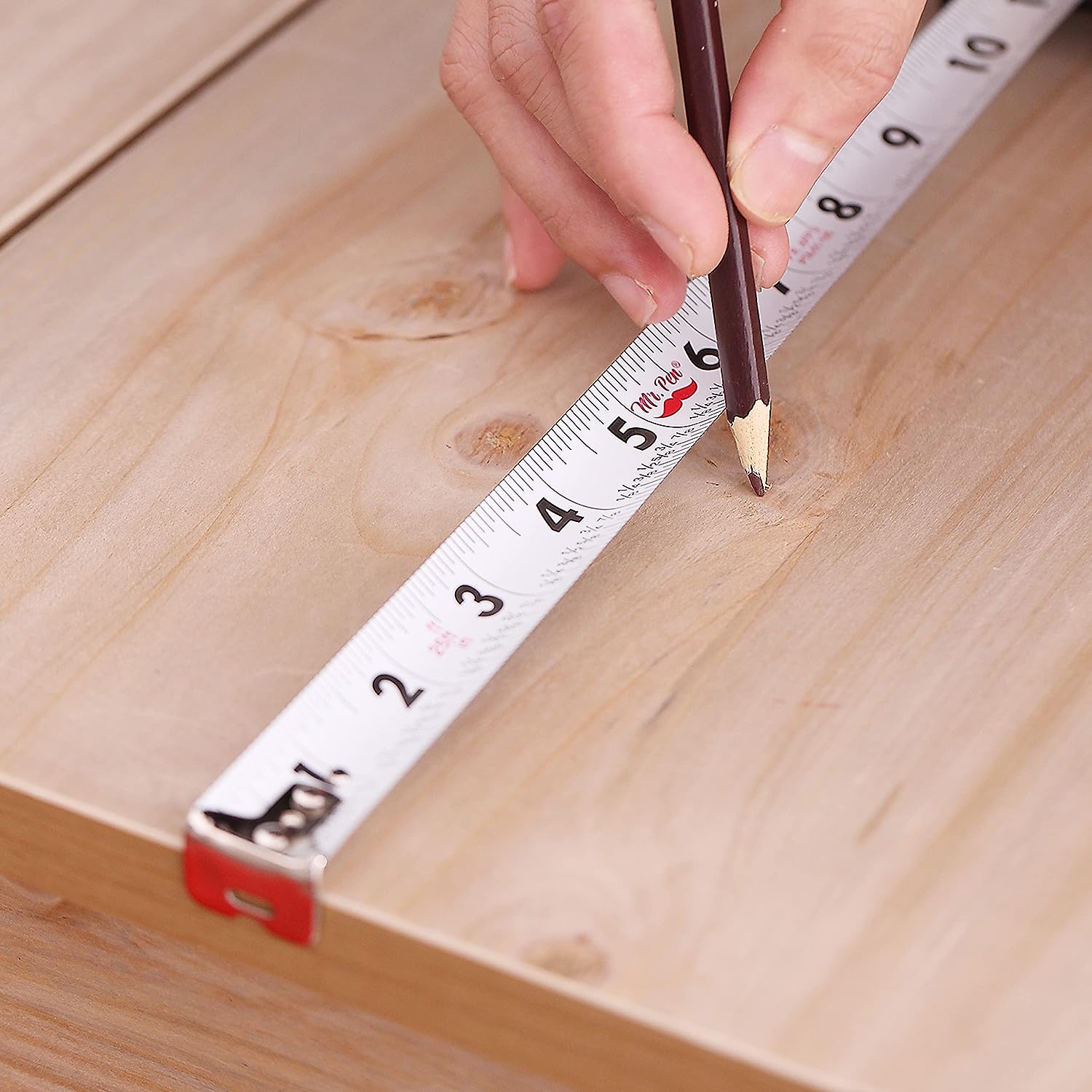
I remember pubs in Calais serving pints (no surprise there!)
It’s a French word, so why not?
From memory:-
22 yards = 1 chain
10 chains = 1 furlong
8 furlongs = 1 mile.
The first and third above are still around, but never recall hearing the distance between wickets being referred to as a chain.
And of course there’s other more popular units such as three ‘double -decker buses’ (Routemasters?) which can be a unit of length, height (bit precarious), or volume. But whichever, they all come at once!
1 Like
Doesn’t this bring horses into the picture? Three furlongs to go, and Routemaster is gaining…!!!
1 Like
Is that the 460 to Tattenham Corner operated by Metrobus? 
2 Likes
Yes, both are still in use. Knots all the time, as in “we were doing five knots when I hit the bloody rock”, but distance less so, as in “we were a kilometre offshore when we sank”. Territorial waters are 12 nautical miles.
At last a subject I can claim to be fully bilingual.
Taught imperial at school and entered the building industry in 1970 when imperial still ruled but metric quickly followed.
The transition was natural and without realising I was bilingual and still am.
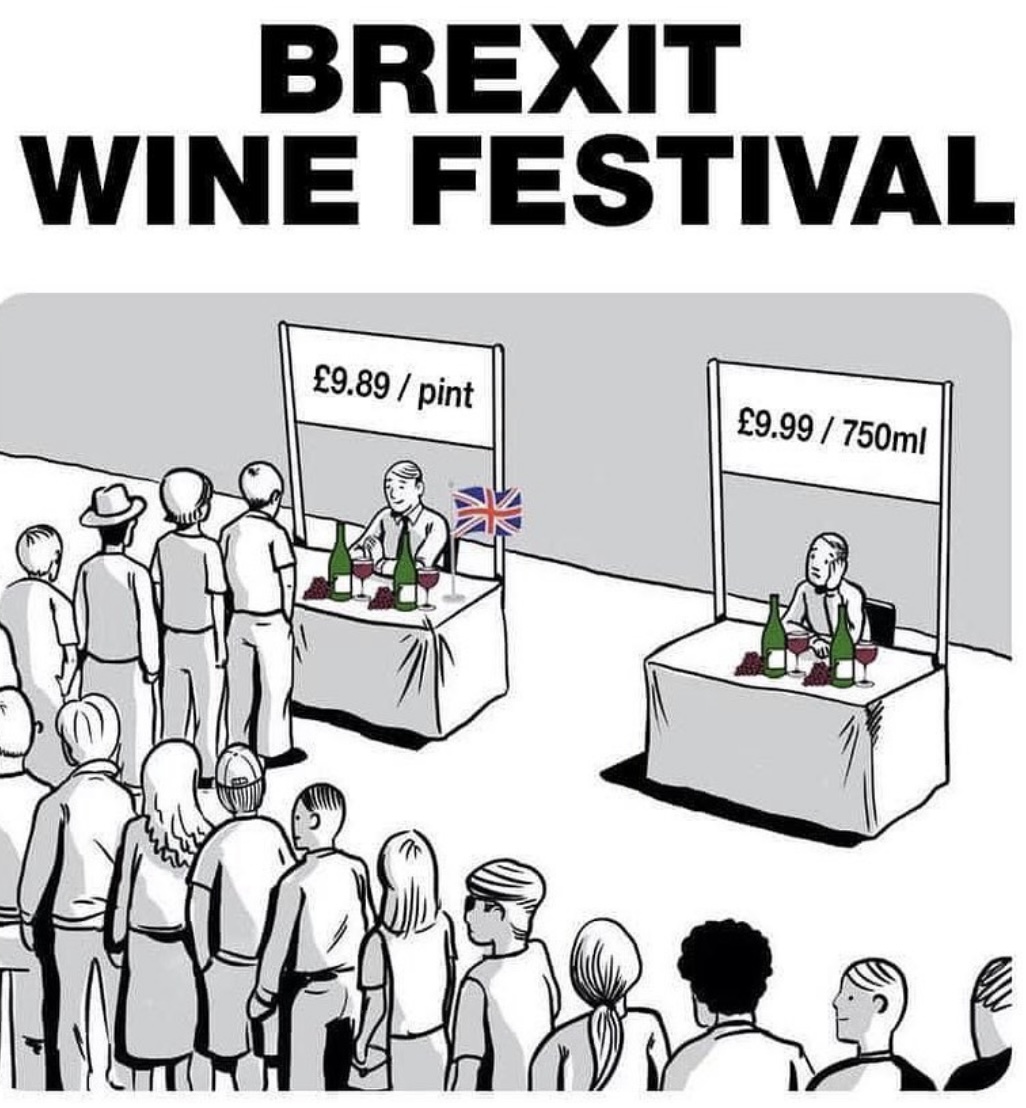
Throughout my working life I have used a dual measure tape and shouting measurements to a mate to cut to length could be in imperial or metric whichever was the most accurate.
Just happened to be around at the time it all changed, a rare breed.
Not unlike the relatively few of us with Brexit cds cards, a rare breed😉
1 Like
Give a man 25.4mm and he’ll take a mile…
2 Likes
Ditto, more or less.
Most British people born between 1945 and 1965 should Be able to use both systems.
Me too (born 1960).
Although I eschew imperial I still have no problem with envisaging the size of something if it’s shown in “old money”.
For me the best thing about living in a metric country is that you can use both sides of a single system measuring tape.
Also, as a left-hander, a dual system tape is a pain as the top edge (if you use the tape the right way up) is usually the imperial scale & it’s less convenient to mark from the bottom edge of a tape. This applies if you hook the tape to the left, hold the tape in your right hand & mark with your left.
Strangely though, if a right hander mirrors what I just described they will be viewing the tape the wrong way up…
As a fellow left-hander I can relate to your accurate description of measuring although I must admit to checking it out before replying. Clearly the tape was designed by a left handed imperial thinker!
My first measuring instrument was a 3 foot box ruler that folded twice to conveniently fit in the purpose made pocket of my overalls. Beautifully made in boxwood with brass hinges. My first retractable tape came in the early 70s in the form of a Stanley Powerlock.
I am fully metric in most things, the only unit I still can’t fully absorb is temperature in Celsius - I still have to switch my phone app to Fahrenheit sometimes to get a handle on precisely how hot/cold it actually is.
That’s my conclusion too. We need to find an old imperial only tape to see if this small lefty win has been around a long time.
I am a right hander and my tape measure has the imperial units at the top if I do that. So it’s wrong for me too!
But fortunately I have one of those cunning spring loaded metal tape measures that has a lock on it so I can stop it springing back and then mark the spot with my right hand.
We probably need something robotic with a laser in it that will measure by voice command and mark the spot automatically.
“101 uses for a LizTruss”
1 Like
Probably not very accurate!!
If you are happy to read the measurement upside down the metric edge will be at the top if you mirror the left handed method I outlined above, which would be the natural way for you to use such a tape, otherwise you would be crossing your arms.